
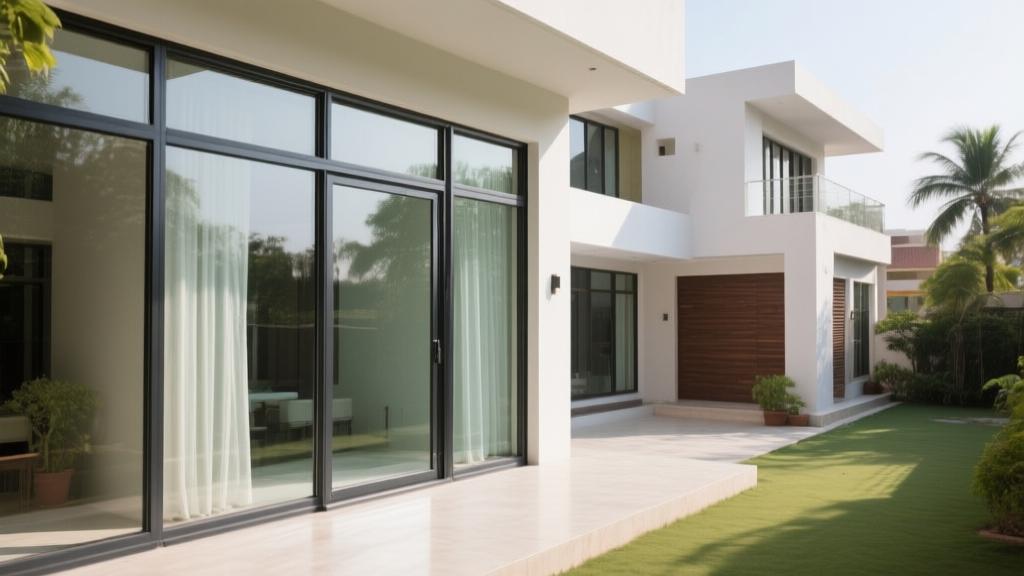
Aluminium Window Price Per Sq Ft India 2026 - Complete Cost Guide
Aluminium windows have become a mainstream choice for residential and commercial projects across India in 2026. The combination of lightweight strength, modern aesthetics, and low maintenance requirements makes them a compelling alternative to traditional wood or uPVC frames. For architects, contractors, and homeowners, understanding the price per square foot is essential because it directly influences the overall budget, design feasibility, and return on investment.
The Indian market for aluminium windows has seen a steady rise over the past three years, driven by urbanisation, stricter building codes, and an increasing demand for energy-efficient glazing solutions. While the raw material cost of aluminium has shown moderate volatility, the final price offered to customers is a function of multiple variables such as profile thickness, surface finish, hardware quality, and the type of glass used. This guide consolidates the latest price data for 2026, analyses the cost drivers, and provides practical tips to help you secure the best value without compromising on quality.
Whether you are planning a new construction, retrofitting an existing building, or simply curious about market trends, this comprehensive guide will walk you through everything you need to know about aluminium window pricing in India. For a broader perspective on window materials, you may also explore our article on Best Windows Materials.
Current Price Table (2026)
The table below presents the typical price range for the most common aluminium window types in India, expressed in Rs. per square foot. Prices are inclusive of standard hardware and a single pane of clear float glass. Custom finishes, double glazing, or premium hardware will add to the base price.
| Window Type | Price per Sq Ft (Rs.) |
|---|---|
| Sliding | Rs.450-750 |
| Casement | Rs.500-850 |
| Fixed | Rs.350-550 |
| Tilt-Turn | Rs.650-1100 |
Factors Affecting Aluminium Window Cost
While the price table offers a quick snapshot, the actual cost of an aluminium window can vary widely. Below are the most influential factors, each explained in detail.
- Material Grade and Alloy Composition - Higher-grade aluminium alloys (e.g., 6063, 6065) provide better corrosion resistance and structural strength, which raises the base price.
- Profile Thickness - Thicker profiles improve rigidity and sound insulation but consume more raw material, leading to higher costs.
- Design Complexity - Custom shapes, intricate mullion patterns, or unconventional opening mechanisms require additional engineering and machining time.
- Hardware Quality - Premium hinges, rollers, and locking systems from reputable manufacturers add between Rs.50 and Rs.200 per sq ft.
- Glass Type - Upgrading from standard clear float glass to tempered, laminated, or double-glazed units can increase the cost by 20-70%.
- Surface Finish - Options such as powder coating, anodising, or wood-grain laminates affect both aesthetics and price. Powder coating is the most common and cost-effective finish.
- Size and Area - Larger windows benefit from economies of scale per sq ft, but very large spans may require additional reinforcement.
- Installation Complexity - High-rise buildings, difficult access points, or retrofit scenarios can increase labour charges significantly.
- Geographical Location - Transportation costs and regional tax structures (e.g., GST variations) can cause price differences across states.
- Additional Accessories - Integrated blinds, security grills, sunshades, or decorative grills are optional extras that add to the overall cost.
Top Aluminium Window Brands in India (2026)
Choosing a reputable brand can safeguard against premature failures and hidden costs. Below is a shortlist of leading manufacturers, along with their typical price ranges for standard profiles.
- Fenesta - Known for its extensive network and after-sales service, Fenesta offers a wide range of aluminium window systems. Prices typically range from Rs.600 to Rs.1200 per sq ft, depending on profile thickness and finish. Their premium series includes double-glazed insulated units and custom colour options.
- Okna - Okna focuses on modular aluminium systems that can be easily assembled on site. The brand's price band is Rs.550-1000 per sq ft. Okna's strength lies in its lightweight profiles that are ideal for high-rise construction where weight reduction is critical.
- Techno Bar - A relatively newer entrant, Techno Bar competes on price while maintaining acceptable quality. Their standard range is priced between Rs.400 and Rs.700 per sq ft. They are popular among budget-conscious developers and offer a good balance of durability and aesthetics.
Aluminium vs uPVC vs Wood - Complete Comparison
Choosing the right material for your windows is a decision that impacts not only the aesthetics of your home but also its long-term performance, energy efficiency, and maintenance costs. Below is a comprehensive comparison table that highlights the key attributes of aluminium, uPVC, and wood windows. This table completes the earlier discussion by adding the missing rows for lifespan, maintenance, weather resistance, sound insulation, and eco-friendliness.
| Feature | Aluminium | uPVC | Wood |
|---|---|---|---|
| Lifespan | 30-50 years | 20-30 years | 15-25 years |
| Maintenance | Low - occasional cleaning and lubrication of hinges | Very low - minimal cleaning required, no painting | High - regular painting, sealing and pest control |
| Weather Resistance | Excellent - corrosion-resistant alloys and powder-coated finishes | Good - resistant to moisture but can warp under extreme heat | Poor - prone to swelling, rot and termite damage if not treated |
| Sound Insulation | Moderate - depends on glazing and frame thickness | Excellent - dense material blocks more noise, especially with double glazing | Good - solid wood provides decent acoustic barrier |
| Eco-Friendly | Recyclable - aluminium can be re-melted without loss of properties | Not recyclable - most uPVC is not accepted in recycling streams | Sustainable - responsibly sourced timber is renewable |
Glass Upgrade Options and Their Costs
While the frame material sets the foundation for durability and aesthetics, the type of glass you choose dramatically influences thermal performance, privacy, and security. Below are the most common glass upgrades for aluminium windows, along with their typical price ranges per square foot.
- Double Glazed Glass - Consists of two glass panes separated by an air or inert gas cavity. This configuration reduces heat loss and improves sound insulation. The additional cost for double glazing is typically Rs.150-300 per sq ft over standard single-glazed units.
- Tinted Glass - Incorporates a thin metallic film that reduces solar heat gain and glare while adding a subtle colour to the façade. Tinted glass adds roughly Rs.80-150 per sq ft to the base price.
- Laminated Glass - Features a polymer interlayer that holds shattered glass together, enhancing safety and security. Laminated glass also offers superior sound blocking. Expect an extra Rs.200-400 per sq ft for this premium option.
Combining these upgrades-such as double-glazed laminated glass-can provide the best of both worlds, but the cumulative cost will reflect the sum of the individual premiums. When budgeting, consider the long-term energy savings and safety benefits that often offset the initial outlay.
Installation Cost Breakdown
The installation phase accounts for a significant portion of the total project cost. Understanding the individual cost drivers helps homeowners plan more accurately and negotiate better deals with contractors.
- Labour - Skilled carpenters, metalworkers and finishers charge between Rs.50-100 per sq ft. This includes removal of old windows, precise measurement, frame fitting, and sealing.
- Accessories - Includes hinges, handles, locks, weather-stripping, and sealants. These consumables typically add Rs.30-80 per sq ft to the overall cost.
- Transport - Delivery of frames, glass panels and ancillary hardware to the site can range from Rs.20-50 per sq ft, depending on distance and accessibility.
Overall, the installation cost for a standard aluminium window system generally falls in the range of Rs.100-230 per sq ft when you sum labour, accessories, and transport. Complex projects-such as high-rise buildings or custom-shaped windows-may command higher rates due to additional safety measures and equipment.
How to Get the Best Price for Aluminium Windows
Securing a competitive price without compromising on quality requires a strategic approach. Below are six practical tips that help homeowners extract maximum value from their aluminium window purchases.
- Obtain Multiple Quotations - Reach out to at least three reputable suppliers. Comparing detailed quotations enables you to spot hidden fees, assess material grades, and leverage competition for better terms.
- Standardise Sizes and Profiles - Custom dimensions and unique designs increase fabrication costs. Where possible, adopt standard window sizes and profile depths; this reduces both material waste and machining time.
- Buy in Bulk - If you are renovating an entire house or a multi-unit building, negotiate bulk discounts. Suppliers often provide tiered pricing based on the total square footage ordered.
- Consider Off-Season Purchases - Many manufacturers run promotional offers during the monsoon or winter months when demand dips. Planning your project around these periods can yield savings of up to 15%.
- Check for Government Incentives - Some state governments offer subsidies for energy-efficient glazing, which can be applied to aluminium windows with double or triple glazing. Verify eligibility before finalising the purchase.
- Reference the Building Materials Price List 2026 - Use the latest price guide as a benchmark to ensure that the quoted rates are realistic and in line with market trends.
Ongoing Maintenance Cost of Aluminium Windows
Aluminium windows are celebrated for their low maintenance requirements, yet a modest annual budget is still necessary to preserve their appearance and performance over decades.
- Annual Cleaning - Regular cleaning with a non-abrasive detergent prevents dust and grime buildup on the frames and glass. Expect to spend around Rs.200-500 per window for professional cleaning, or less if you do it yourself.
- Lubrication of Moving Parts - Hinges, rollers and lock mechanisms need periodic lubrication to ensure smooth operation. A small tube of silicone-based grease costs roughly Rs.50-150 and typically lasts a year.
- Seal Replacement - Weather-proof seals may degrade after 5-7 years, especially in coastal or high-humidity areas. Re-sealing a standard window costs about Rs.300-800 per unit.
All told, the average homeowner should allocate between Rs.500-2000 per year for routine upkeep of aluminium windows. This modest outlay is far lower than the recurring maintenance required for wood frames, which may involve painting, pest control, and structural repairs.
Frequently Asked Questions
- 1. Are aluminium windows suitable for high-temperature climates?
- Yes. Aluminium's low thermal conductivity can be mitigated with thermal breaks and double glazing, making it an excellent choice for hot climates where heat gain needs to be controlled.
- 2. How does the strength of aluminium frames compare to uPVC?
- Aluminium offers superior structural strength, allowing for larger spans and slimmer profiles without sagging. uPVC is adequate for standard residential openings but may require thicker sections for larger windows.
- 3. Can I paint aluminium window frames to match my home's colour scheme?
- Aluminium frames are typically powder-coated, which provides a durable finish. If you wish to change the colour, it is best to use a specialised aluminium paint or replace the powder-coated finish, as regular paints may not adhere well.
- 4. What is the advantage of a uPVC Doors vs Aluminum Doors comparison when selecting window frames?
- The comparison highlights the differences in durability, security and maintenance between the two materials, helping you make an informed decision about whether the same material should be used for both doors and windows for a cohesive look.
- 5. Is it worth investing in laminated glass for security?
- Absolutely. Laminated glass holds together when shattered, reducing the risk of injury and deterring forced entry. Although it adds to the upfront cost, the enhanced safety and noise reduction often justify the investment.