
Introduction
Choosing the right door hardware is a decision that influences both the aesthetic appeal and functional performance of a home. In Indian residences, where climatic variations and security concerns are unique, the selection process demands a careful balance of style, durability, and safety. This guide brings together the essential knowledge you need to pick handles, locks, hinges, door stoppers and closers that suit modern Indian living. By the end of the article, you will be equipped to make confident choices without relying solely on price tags.
The article also references related content on emerging trends, helping you stay updated with the latest design language. Related: Door Hardware Price List India 2026. The information is curated for homeowners, interior designers and builders who seek practical guidance rooted in Indian standards. All recommendations are based on material performance, installation ease and long term maintenance.
Understanding Door Hardware Components
Door hardware is a collective term for all the accessories that enable a door to open, close and stay secure. While the visual impact of handles and knobs is often the first thing homeowners notice, the hidden components such as hinges and closers play a critical role in the door's operation. Each component has its own set of functional requirements, material options and quality markers that must be evaluated before purchase. In the following subsections we break down the major categories and explain what to look for.
Handles and Pulls
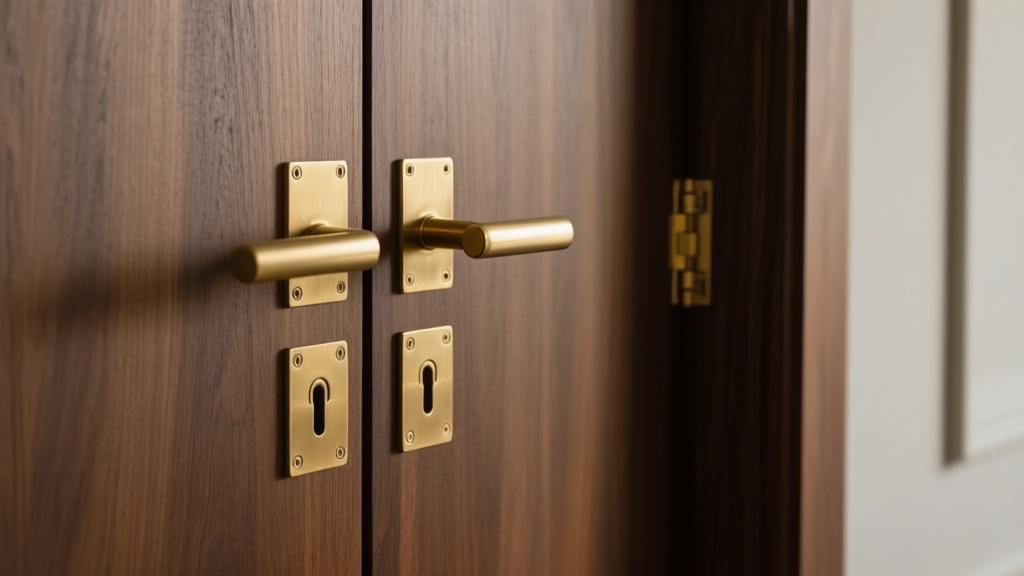
Handles are the primary point of contact for users and therefore dictate the tactile experience of a door. Lever handles are popular for their ergonomic grip, while traditional pull handles complement wooden doors in heritage properties. Materials range from polished brass with antique finishes to brushed stainless steel that resists fingerprints. Key considerations include backset measurement, handle length, and the method of fixing, whether through a mortice or surface mounting.
Locks and Latches
Locks safeguard the interior of a house and are often the first line of defense against intrusion. Common lock types in India include mortice locks, cylindrical locks, and increasingly, electronic smart locks that integrate with mobile devices. The choice of lock depends on door thickness, security level required, and the compatibility with existing strike plates. A well-chosen lock not only provides security but also ensures smooth operation over years of use.
Hinges
Hinges bear the weight of the door and allow it to swing, making their strength and alignment vital for long term performance. The Indian market offers butt hinges, pivot hinges, and continuous (piano) hinges, each suited to different door sizes and usage patterns. Material choice, pin diameter and the number of leaves affect load bearing capacity, especially for heavy timber or metal doors. Proper installation ensures uniform clearance and prevents sagging, which can lead to noisy operation.
Door Stoppers and Closers
Door stoppers protect walls from impact and keep doors in a desired open position, while door closers control the speed and force of door closure. Floor-mounted and wall-mounted stoppers are common in Indian homes, with rubber or silicone pads that absorb shock. Hydraulic and pneumatic closers are preferred for high-traffic entry doors, as they reduce slamming and improve energy efficiency. Selecting the right stopper or closer involves assessing door weight, swing angle and the level of control required.
Materials and Quality Indicators
The material of a hardware component determines its appearance, resistance to corrosion, and overall lifespan. In India, the most widely used materials are brass, stainless steel and zinc alloy, each offering distinct advantages. Understanding the properties of these materials helps you match hardware to the climatic conditions of your region. Below is a comparative table that summarises key attributes and typical price ranges.
| Material | Appearance | Corrosion Resistance | Strength | Typical Price Range (Rs.) |
|---|---|---|---|---|
| Brass | Golden yellow, can be polished or antiqued | Good resistance, but may develop patina in humid areas | High tensile strength, suitable for heavy duty use | Rs. 500 - Rs. 2500 per piece |
| Stainless Steel | Silver-grey, modern finish | Excellent resistance to rust and stains | Very high strength, ideal for high traffic doors | Rs. 400 - Rs. 2000 per piece |
| Zinc Alloy | Varied finishes, often coated for aesthetics | Moderate resistance, requires protective coating in coastal zones | Good strength for standard residential doors | Rs. 300 - Rs. 1500 per piece |
When evaluating quality, look for certifications such as IS 2606 for brass hardware or IS 16281 for stainless steel components. A smooth, even finish without visible seams indicates good machining. Hardness tests, though not always visible to buyers, are performed by reputable manufacturers to ensure durability. The presence of a protective coating, such as chrome plating on zinc alloy, adds an extra barrier against corrosion.
Choosing the Right Type for Your Home
The selection of each hardware component should be aligned with the functional needs and design language of your home. Below we discuss the most common types, their ideal applications and the factors that influence the decision. By matching type to usage, you can avoid premature wear and achieve a cohesive look across all entry points. The following sub-sections provide practical guidance for handles, locks, hinges, stoppers and closers.
Handles: Lever, Pull, Knob and Specialty Designs
Lever handles are ergonomically superior because they require a simple push or pull motion, making them suitable for children and the elderly. Pull handles, often long and slim, complement large wooden doors and provide a minimalist aesthetic. Knob handles are traditional and work well on interior doors where space is limited. Specialty designs, such as glass-filled or decorative brass, can become focal points in heritage homes. When choosing, verify the backset (usually 55mm or 70mm) and ensure the handle finish matches other hardware.
Locks: Mortice, Cylindrical, Euro Profile and Smart Options
Mortice locks are installed within a pocket cut into the door edge, offering robust security for external doors. Cylindrical locks are surface mounted and easier to retrofit, making them popular for interior doors and renovations. Euro profile locks, compatible with multi-point locking systems, are gaining traction in high security applications. Smart locks, which operate via Bluetooth or Wi-Fi, provide keyless entry but require reliable power sources and periodic firmware updates. For Indian homes, a lock with a minimum 5-year warranty and a certified anti-pick cylinder is advisable.
Hinges: Butt, Pivot, Continuous and Concealed Types
Butt hinges are the most common and consist of two leaves joined by a pin; they are ideal for standard wooden doors up to 30kg. Pivot hinges mount at the top and bottom of a door, allowing smoother operation for heavy or glass doors. Continuous hinges run the full height of the door, distributing weight evenly and reducing stress on the frame. Concealed hinges, also known as hidden hinges, are used in modern minimalist interiors where hardware should be invisible. Select hinges with a pin diameter of at least 5mm for heavier doors and ensure the hinge leaf thickness matches the door material.
Door Stoppers and Closers: Functional Control and Safety
Floor stoppers made of rubber or silicone are simple solutions for protecting walls from accidental hits. Wall mounted stoppers, often with adjustable tension, allow you to set the door's stopping point precisely. Hydraulic door closers use fluid resistance to regulate closing speed, reducing noise and wear on the latch. Pneumatic closers are lighter and suitable for interior doors with moderate traffic. When selecting a closer, check the door weight rating, usually specified in kilograms, and ensure the mounting plate aligns with the door frame.
Brand Recommendations
While the guide focuses on technical criteria, it can be helpful to know which manufacturers consistently meet Indian quality standards. Below is a non-exhaustive list of brands that are recognised for producing reliable hardware across brass, stainless steel and zinc alloy categories. These brands have established distribution networks and provide after-sales support, which is valuable for warranty claims and spare parts. Always verify the specific product series and certification before finalising a purchase.
- Hindware - Known for a wide range of stainless steel handles and hygienic hardware.
- Godrej Locks - Offers mortice, cylindrical and smart locks with ISO 9001 certification.
- Jindal Steel - Provides robust stainless steel hinges and door closers suitable for commercial use.
- Vikas Brass - Specialises in brass handles and decorative knobs with anti-tarnish coating.
- Alfa Metal - Supplies zinc alloy hardware with chrome plating and competitive warranty terms.
Even within these reputable brands, product quality can vary between series, so examine the finish, test the operation and request certification documents. Independent retailers and online platforms often provide customer reviews that can give insight into real-world performance. Choosing a brand with a local service centre can simplify installation assistance and future maintenance. Remember that the best choice aligns with your functional needs, not just brand popularity.
Installation Tips
Proper installation is as important as selecting the right hardware; a poorly fitted handle or hinge can lead to premature failure. Before starting, gather essential tools such as a drill with appropriate bits, a screwdriver set, a measuring tape, a level and a centre punch. Always refer to the manufacturer's installation drawing and follow local building codes, especially for fire rated doors. Below are practical tips for each type of hardware to ensure a smooth and durable fit.
Handles and Pulls Installation
Mark the backset measurement from the edge of the door and drill pilot holes carefully to avoid splitting the wood. For metal doors, use a centre punch to create a guide point before drilling, and select a bit designed for metal. Secure the handle using the supplied screws, tightening them evenly to prevent wobble. After fitting, test the handle for smooth operation and ensure the latch aligns with the strike plate.
Lock Installation
When fitting a mortice lock, first cut the lock case pocket using the template provided, ensuring the depth matches the lock body. Insert the lock case, check that the latch bolt extends fully when the door is closed, and secure it with the recommended screws. For cylindrical locks, drill the required holes for the cylinder and the latch, then attach the lock body with the provided bolts. Finally, test the key operation, checking for any binding and ensuring the deadbolt fully engages.
Hinge Installation
Position the hinge leaves on the door edge and frame, marking the screw holes with a pencil. Use a countersink bit to create shallow recesses for the screw heads, which helps maintain a flush finish. If installing continuous hinges, start at the top and work downwards, using a spacer to keep the hinge leaf aligned. After fixing, open and close the door several times to verify that the movement is even and free of sticking.
Door Stoppers and Closers Installation
Floor stoppers are typically screwed into the floor; locate a spot where the door naturally contacts the wall and mark the position. Drill pilot holes and use wall plugs suitable for the floor material, whether concrete or wood. For hydraulic closers, attach the mounting plate to the door edge and the frame using the provided bolts, ensuring the arm length matches the manufacturer's specifications. Adjust the closing speed using the adjustment screw, testing the door until the desired soft close is achieved.
While DIY installation is feasible for most hardware, complex lock systems or heavy doors may require professional assistance to guarantee compliance with safety standards. Engaging a qualified carpenter or locksmith can also help you avoid common mistakes such as misaligned strike plates or insufficient hinge reinforcement. Always keep a copy of the installation manual for future reference and for any warranty claims. A well-installed hardware set will provide years of reliable service with minimal maintenance.
Maintenance and Longevity
Regular maintenance extends the lifespan of door hardware and preserves its appearance, especially in humid Indian climates. For brass and zinc alloy components, wipe the surface with a soft cloth and a mild detergent to remove dust and fingerprints. Stainless steel hardware benefits from occasional cleaning with a vinegar solution to eliminate water spots, followed by thorough drying. Avoid abrasive cleaners that can scratch the finish and reduce corrosion resistance.
Lubrication is essential for moving parts such as hinges, locks and closers. Apply a few drops of silicone based grease to hinge pins and lock cylinders every six months to maintain smooth operation. For hydraulic closers, check the oil level as per the manufacturer's guide and refill with the recommended fluid if needed. Never use oil based lubricants on stainless steel as they can attract dust and cause staining.
Periodic inspection helps identify early signs of wear. Check for loose screws, rust formation, or any misalignment in the latch and strike plate. Tighten any loose fasteners with a torque wrench set to the recommended value, typically 4-6 Nm for most residential hardware. If a component shows irreversible corrosion, replace it promptly to maintain security and functionality.
Buying Checklist
Before finalising a purchase, use the checklist below to verify that each critical factor has been considered. This ensures you select hardware that meets both aesthetic and functional requirements while staying within budget. Mark each item as "Yes" or "No" during your evaluation process.
| Checklist Item | Yes/No | Comments |
|---|---|---|
| Compatible with door thickness (35-45mm typical) | ||
| Backset measurement matches door preparation | ||
| Material suitable for local climate (corrosion resistant) | ||
| Finish matches existing hardware (brass, stainless, zinc) | ||
| Certified to Indian standards (IS 2606, IS 16281) | ||
| Warranty period of at least 2-year | ||
| Availability of spare parts locally | ||
| Installation instructions provided | ||
| Supplier offers after-sales support | ||
| Price within planned budget |
Use this checklist during site visits and while reviewing product catalogs, either online or in showrooms. A thorough pre-purchase evaluation reduces the likelihood of costly re-work and ensures long term satisfaction. If any item is marked "No", consider alternative options or discuss modifications with the supplier.
Frequently Asked Questions
Below are answers to common queries that homeowners and builders often raise about door hardware. These FAQs address performance, installation and maintenance concerns specific to Indian homes.
- Q: How do I choose between brass and stainless steel handles?
A: Brass offers a warm, traditional look and can be polished to a high shine, but it may develop a patina in humid areas. Stainless steel provides a modern, sleek appearance and superior rust resistance, making it ideal for coastal regions or bathrooms. Consider the overall décor and the exposure to moisture when deciding. - Q: Are smart locks reliable in areas with frequent power cuts?
A: Most smart locks incorporate backup battery packs that can last several months, and many have a mechanical key override for emergencies. Choose a model with a long-life battery and a clear indication of low battery status. Regularly check and replace the battery to avoid lockouts. - Q: What hinge size is required for a 45kg solid wood door?
A: For a door of that weight, use butt hinges with a pin diameter of at least 5mm and a leaf thickness of 4mm. Install at least three hinges - one at the top, one at the bottom and one in the middle - to distribute the load evenly. - Q: How often should I lubricate my door hardware?
A: Lubricate moving parts such as hinges, lock cylinders and closers every six months, or more frequently in dusty environments. Use silicone based grease for hinges and lock mechanisms; avoid oil based products on stainless steel. - Q: Can I retrofit a mortice lock on a door that already has a cylindrical lock?
A: It is possible but requires cutting a lock pocket in the door edge, which may weaken the structure if not done correctly. It is advisable to consult a professional locksmith to assess the feasibility and to ensure the new lock meets security standards.
Conclusion
Choosing the right door hardware involves balancing aesthetics, security, durability and ease of maintenance. By understanding the types of hardware, the material properties, and the quality indicators, Indian homeowners can make informed decisions that stand the test of time. Follow the installation and maintenance guidelines provided, and use the buying checklist to verify that each product meets your specific needs. With the right choices, your doors will not only look great but also function reliably for many years to come.
Related: Choosing the Best uPVC Hardware and uPVC Doors and Windows Guide. We hope this guide serves as a valuable reference for your next renovation or new construction project.