Steel Frame Construction – Advantages and Disadvantages
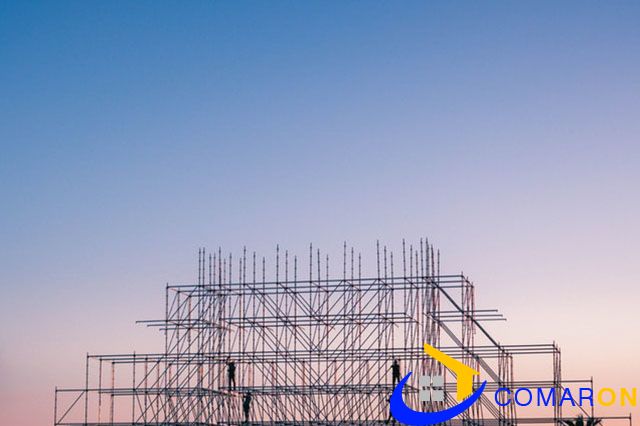
Steel frame buildings use both horizontal and vertical steel components to construct the building's framework. For this, mild steel is employed. These kinds of constructions are typically utilised in the construction of massive airports, high-rise skyscrapers, industrial buildings, factory sheds, and temporary structures.
Advantages of steel frame construction -
Durability
Mild steel steel members are incredibly robust and resilient; they can support loads of up to tonnes at a time without faltering.
Ductility
Steel deforms gradually since it is an extremely ductile material. It doesn't break down quickly without being distorted. Therefore, in the event of a failure, there will be a window of opportunity before the member totally falls.
Lightweight
The weight of steel construction is incredibly light in comparison to wood and concrete. Generally speaking, a steel member is 30–50% stronger than its wood counterpart.
Simple to produce
Large quantities of steel members are easily produced in factories.
Diverse sections
They come in different portions and sizes (I section, C section, T section, etc.). Depending on the kind of construction and the weight to be carried, several section kinds are employed.
Moving
Manufactured steel studs can be moved from the factory to the location with no fuss or damage.
quicker work
Steel frame constructions are simple to assemble on site with various joineries, including bolting, riveting, and welding. Building a steel structure takes a lot less time than building an RCC structure.
able to withstand wetness
Zinc coating or powder treatment make steel members incredibly resistant to water and moisture.
Immune to pests and insects
Unlike problems with timber structures, the deteriorating impacts of burrowing insects and mammals do not harm structural steel components.
ecologically friendly
These steel components can be made without removing any trees from the forest. Steel buildings are therefore environmentally benign. Furthermore, there is no damage to the environment during the assembly or disassembly of these buildings on the construction site.
Disadvantages of steel frame construction -
The ability to conduct heat
Steel studs transfer heat at a very high rate. This results in significant energy waste. To stop these steel pieces from conducting heat, a number of steps must be taken.
Prone to fire
The steel members are prone to failure in high temperatures or during a fire. To keep these steel columns from collapsing, concrete is typically placed around them.
The necessity of insulating
Steel members must be properly coated and treated in order to shield them from the elements. Additionally, insulation is necessary to stop energy waste and thermal conductivity.
Prone to rust
Steel studs corrode and lose strength in saltwater environments.
Visit here to get the list of top manufacturing companies of these steels