
Iron Rate Today in India 2026 - Updated Steel Price Per Kg Per Ton
Introduction
The price of iron and steel is a key driver of construction costs across India. In 2026, market participants are seeing tighter margins as raw material prices, logistics constraints and policy changes converge. This guide brings the latest iron rate today in India, broken down by product type, city and brand, so that builders, contractors and homeowners can make informed decisions. Understanding the current pricing landscape helps you plan budgets, negotiate with suppliers and avoid unexpected cost overruns.
Comaron.com is an independent consultancy that provides unbiased data for the Indian construction sector. Our research draws from steel manufacturers, authorized dealers and market monitoring agencies. The figures presented below are based on verified quotations received in the last week of May 2026. All prices are expressed in Indian rupees (Rs.) and reflect standard market conditions without any special discounts.
Different Types of Iron and Steel
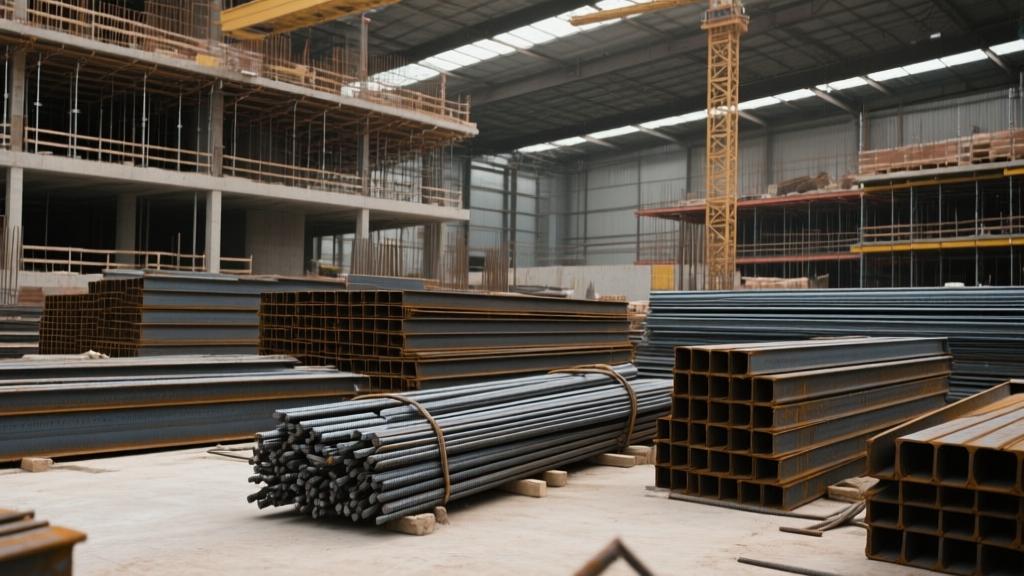
India's steel market offers a range of products that are often referred to collectively as "iron". The most common categories include TMT (Thermo Mechanically Treated) bars, mild steel plates, structural steel sections such as angles, channels, beams and plates, as well as cast iron and wrought iron. Each product has a specific composition, mechanical property and typical application in residential and commercial construction.
TMT bars are the primary reinforcement material used in concrete structures, while mild steel plates are widely used for shutters, ladders and general fabrication. Structural steel sections provide the backbone for frames, trusses and heavy load-bearing elements. Cast iron is preferred for pipe fittings and heavy machinery bases, and wrought iron, though less common, is used for decorative railings and heritage restoration projects. Knowing the exact type you need is the first step toward accurate cost estimation.
Current Prices Per Kg and Per Ton
The table below summarizes the average market rates for major iron and steel products as of June 2026. Prices are shown per kilogram and per metric ton (1,000 kg). The ranges capture variations across major manufacturers and reflect the most recent dealer quotations.
| Product Type | Price per Kg (Rs.) | Price per Ton (Rs.) |
|---|---|---|
| TMT Bars (Fe 415) | 73 - 85 | 73,000 - 85,000 |
| TMT Bars (Fe 500) | 78 - 90 | 78,000 - 90,000 |
| Mild Steel Plate (SS 250) | 58 - 66 | 58,000 - 66,000 |
| Structural Steel Angle (100x100x6) | 62 - 78 | 62,000 - 78,000 |
| Structural Steel Channel (100x50x6) | 64 - 80 | 64,000 - 80,000 |
| Structural Steel Beam (200x150x8) | 70 - 86 | 70,000 - 86,000 |
| Structural Steel Plate (10mm) | 60 - 72 | 60,000 - 72,000 |
| Cast Iron (Gray, 150 kg) | 78 - 92 | 78,000 - 92,000 |
| Wrought Iron (Bar, 12mm) | 88 - 108 | 88,000 - 108,000 |
The premium for higher strength TMT bars (Fe 500) reflects the additional alloying and controlled cooling processes required to achieve the specified yield stress. Mild steel plate prices remain relatively stable due to abundant production capacity in Indian integrated steel plants. Structural sections show a broader range because dimensions and surface finish (cold rolled vs hot rolled) affect the final cost.
For large projects, the per-ton price is often the more relevant metric, as bulk purchases can lead to lower handling costs per kilogram. However, small contractors may still prefer per-kg quotations for flexibility in ordering smaller quantities. Always verify whether the quoted price includes GST, freight and any applicable handling charges.
City Wise Rates
Logistics and regional demand create noticeable price differences across major Indian metros. The following table lists the average rates for TMT bars (Fe 415) and mild steel plates in ten key cities. Prices are presented as a range to capture dealer variations.
| City | TMT Bar (Fe 415) Price per Kg (Rs.) | Mild Steel Plate Price per Kg (Rs.) |
|---|---|---|
| Mumbai | 78 - 86 | 62 - 70 |
| Delhi | 75 - 84 | 60 - 68 |
| Bangalore | 74 - 83 | 59 - 67 |
| Chennai | 76 - 85 | 61 - 69 |
| Kolkata | 73 - 81 | 58 - 66 |
| Hyderabad | 74 - 82 | 59 - 67 |
| Pune | 77 - 85 | 61 - 69 |
| Jaipur | 72 - 80 | 57 - 65 |
| Lucknow | 71 - 79 | 56 - 64 |
| Chandigarh | 73 - 81 | 58 - 66 |
Mumbai commands the highest TMT bar rates due to higher freight costs and strong local demand from ongoing high-rise projects. Delhi and Pune follow closely, reflecting their status as construction hubs. Cities in the interior, such as Jaipur, Lucknow and Chandigarh, enjoy slightly lower rates because of reduced port handling fees, though inland logistics can add a modest surcharge.
When planning procurement, consider the total landed cost rather than just the base price. Some suppliers offer free delivery within a 50-km radius, while others charge a per-kilometer freight fee that can erode any apparent discount. Always request a detailed quotation that separates material cost, GST, freight and any handling fees.
Brand Wise TMT Bar Rates
Indian manufacturers compete fiercely on price, quality and after-sales service. The table below captures the prevailing rates for 12 mm TMT bars (Fe 415) from six leading brands as of June 2026. Prices are quoted per kilogram and represent the average of dealer quotations in Delhi, Mumbai and Bangalore.
| Brand | Price per Kg (Rs.) |
|---|---|
| TATA Tiscon | 77 - 84 |
| JSW Neosteel | 78 - 85 |
| SAIL | 75 - 82 |
| Jindal | 76 - 83 |
| Shyam | 73 - 80 |
| Kamdhenu | 72 - 79 |
TATA Tiscon and JSW Neosteel sit at the top end of the price spectrum, reflecting their extensive quality assurance programs and nationwide dealer networks. SAIL and Jindal offer competitive pricing while maintaining good tensile strength and ductility. Smaller players such as Shyam and Kamdhenu provide more affordable options, but buyers should verify certification and traceability before finalizing a purchase.
Price differentials between brands are often narrowed through bulk contracts or when the buyer opts for a longer delivery schedule. It is advisable to request mill certificates and test reports for each batch, especially for high-rise and infrastructure projects where compliance with IS 1786 is mandatory.
Factors Influencing Iron Rates
Several macro-economic and micro-level factors drive the day-to-day fluctuations in iron rates. Global iron ore prices, which are set on the London Metal Exchange, directly affect the cost of raw material for Indian steel producers. In 2026, the ore price has been relatively stable, but occasional spikes due to geopolitical tensions can ripple through to domestic steel prices.
Domestic factors include power tariffs, labor costs, and the availability of coal for blast furnace operations. Government policies such as import duties on finished steel, GST rates and the implementation of the Production Linked Incentive (PLI) scheme also shape market dynamics. Seasonal demand peaks, especially during the monsoon construction slowdown and the post-monsoon surge, cause short-term price swings that buyers should monitor.
Bulk Purchase Savings
Buying iron and steel in bulk can unlock significant cost advantages. Many manufacturers offer tiered discounts: a 2-3% reduction for orders above 20 tons, and up to 5% for purchases exceeding 50 tons. In addition, bulk buyers often receive free freight within a defined radius, further lowering the effective price per kilogram.
To maximize savings, consolidate your material requirements across multiple projects and negotiate a single contract with a preferred supplier. Ensure that the contract includes price escalation clauses tied to the Consumer Price Index (CPI) or a capped increase to protect against sudden market spikes. Properly timed procurement-ordering just before a known price rise-can also yield savings of several thousand rupees per ton.
Frequently Asked Questions
Q1: What is the difference between iron and steel? Iron is a chemical element that in its pure form is soft and ductile. Steel is an alloy of iron and carbon, often with additional elements such as manganese, silicon or chromium to improve strength, corrosion resistance and other properties. In construction, the term "iron" is commonly used to refer to steel products like TMT bars and structural sections.
Q2: Why do iron prices change daily? Daily price changes are driven by fluctuations in raw material costs, foreign exchange rates, market demand and supply constraints. Steel plants adjust their selling rates based on the cost of iron ore, coal, power and logistics. Additionally, speculative trading on commodity exchanges can cause short-term spikes that are reflected in dealer quotations.
Q3: How can I lock in a price for a long-term project? The most effective method is to enter into a forward contract or a price-fixing agreement with a steel manufacturer. Such contracts typically require a deposit and specify the quantity, grade and delivery schedule, while capping the price for the contract duration. Including a price escalation clause linked to a recognized index can provide protection against inflation without exposing you to excessive risk.
Q4: Do GST and freight affect the quoted iron rate? Yes. Most dealer quotations are quoted as "ex-factory" prices, which exclude GST (currently 18% for steel) and freight. Always request a "total landed cost" that adds GST, freight, unloading charges and any handling fees. This ensures you compare apples to apples when evaluating different suppliers.
Q5: Is it worth buying from a lower-priced brand? Lower-priced brands can offer cost benefits, but quality and compliance are critical in construction. Verify that the product meets Indian Standards (IS 1786 for TMT bars, IS 2062 for steel plates) and that the supplier provides mill certificates and test reports. In many cases, a modest price premium for a reputable brand can reduce the risk of structural failures and associated rework costs.
Conclusion
The iron rate today in India 2026 reflects a complex interplay of global commodity markets, domestic policy and regional logistics. By understanding the price ranges for different steel types, the city-wise variations and the brand-wise differentials, you can make more accurate budgeting decisions and negotiate better terms with suppliers. Remember to factor in GST, freight and handling charges to arrive at the true landed cost.
Whether you are a homeowner planning a small renovation or a contractor managing a large infrastructure project, staying informed about the latest steel prices is essential for cost control. Use the data provided in this guide, combine it with real-time market monitoring, and adopt strategic procurement practices to secure the best value for your construction needs.
Related: TMT Steel Price Per Kg India 2026 - Complete Rate Guide
Related: TATA Tiscon vs JSW Neosteel vs SAIL SEQR TMT Brand Comparison 2026
Related: Best TMT Steel Brands India 2026 - Complete Buyers Guide