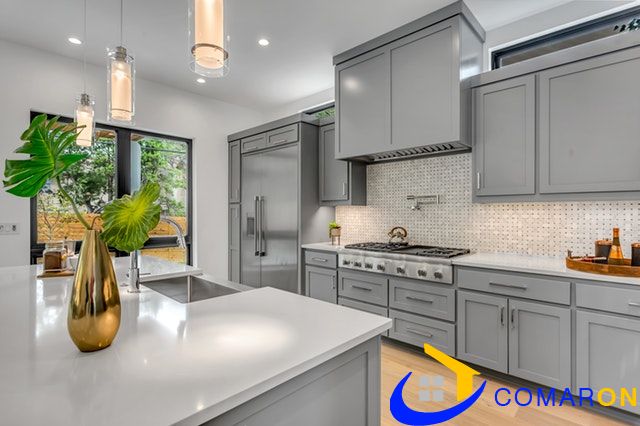

In Indian homes, the kitchen is more than just a cooking space - it is a hub of family gatherings, celebrations and daily rituals. Over the past few years, PVC (polyvinyl chloride) kitchen cabinets have emerged as a practical alternative to traditional wood and MDF options, especially in regions with high humidity, coastal climates or limited maintenance budgets. This guide explores every aspect of PVC kitchen cabinets, from their core composition to cost structures, design possibilities and care routines, helping Indian homeowners make an informed decision for a modern, moisture-resistant and termite-proof kitchen in 2026.
What Are PVC Kitchen Cabinets?
PVC kitchen cabinets are fabricated from high-density PVC sheets that are either laminated onto a core of particleboard, fibreboard or a lightweight metal frame. The PVC layer is usually 0.8-1.2 mm thick and is available in a wide range of colours, textures and finishes, including matte, glossy, wood-grain and metal-look surfaces. Because PVC is a synthetic polymer, it does not swell, rot or warp when exposed to water, steam or fluctuating temperatures - characteristics that make it especially suited to Indian kitchens where cooking vapour and occasional spills are common.
Leading Indian manufacturers such as Greenply, Century Ply, Duraplast and Kansai have introduced specialised PVC panels that meet BIS (Bureau of Indian Standards) specifications for fire resistance and durability. These panels are cut, routed and assembled using CNC machines, ensuring precise joins and a seamless appearance comparable to premium wood cabinets. The result is a lightweight yet sturdy cabinet system that can be installed quickly, often within a single day for a standard modular layout.
Advantages of PVC Kitchen Cabinets
Moisture Resistance
Unlike solid wood or MDF, PVC does not absorb water. When steam rises from boiling pots or when splashes occur during food preparation, the surface of a PVC cabinet remains dry and retains its colour and finish. This moisture resistance prevents the common problems of swelling, bubbling or delamination that often plague wooden cabinets in humid Indian climates, particularly in coastal cities such as Chennai, Kolkata and Mumbai.
Termite and Pest Proof
Termite infestation is a serious concern for wooden kitchen cabinets in many parts of India. PVC, being a synthetic polymer, is completely impervious to termites, wood-boring beetles and other pests. This advantage eliminates the need for chemical termite treatments, reduces long-term maintenance costs and ensures a longer service life, especially in older homes with existing pest issues.
Low Maintenance
Cleaning PVC cabinets is straightforward - a damp cloth with mild detergent is enough to remove grease, stains or fingerprints. The surface does not require periodic polishing, oiling or varnishing, unlike wood that needs regular re-coating. Moreover, PVC does not develop cracks or splinters, making it safe for households with children.
Cost-Effectiveness
When comparing material costs, PVC cabinets are generally 30-50% cheaper than solid wood and 20-30% cheaper than high-grade acrylic alternatives. The lower price point does not compromise on aesthetics; manufacturers offer a variety of finishes that mimic natural wood grain, marble or even metallic looks, allowing homeowners to achieve a premium look at a modest budget.
PVC vs Wood vs MDFR vs Acrylic Kitchen Cabinets
The following table highlights the key differences among the most common cabinet materials available in the Indian market today. Understanding these parameters helps you decide which material aligns best with your kitchen's functional needs and design aspirations.
| Parameter | PVC | Wood (Solid) | MDFR | Acrylic |
|---|---|---|---|---|
| Moisture Resistance | High - does not absorb water | Low - swells and warps | Medium - resists minor moisture but can swell over time | High - water-repellent surface |
| Termite / Pest Proof | Yes - completely impervious | No - susceptible | No - susceptible | Yes - synthetic polymer |
| Cost (Rs. per sq ft) | Rs. 150-250 | Rs. 300-500 | Rs. 200-350 | Rs. 250-400 |
| Durability (years) | 8-12 years (with proper care) | 10-15 years (high-grade timber) | 5-8 years (prone to wear) | 7-10 years (depends on finish) |
| Surface Finish Options | Wood-grain, matte, glossy, metal-look | Natural, stained, lacquered | Laminate, melamine | Glossy, matte, textured acrylic |
| Weight (kg per sq ft) | ~4-5 kg | ~8-10 kg | ~6-7 kg | ~5-6 kg |
| Maintenance | Simple wipe-clean | Periodic polishing, oiling | Wipe-clean, avoid excessive water | Wipe-clean, avoid abrasive cleaners |
Types of PVC Kitchen Cabinet Designs
Modular PVC Cabinets
Modular cabinets are pre-fabricated units that can be combined in various configurations to suit any kitchen layout. PVC modular cabinets typically come in standard widths of 600 mm, 900 mm and 1200 mm, with adjustable heights to accommodate different ceiling clearances. The modular approach speeds up installation and allows for easy re-configuration if you decide to remodel later. For a deeper comparison of modular materials, see our article on Aluminum vs Stainless Steel Modular Kitchen.
L-Shaped PVC Kitchen
An L-shaped layout consists of two adjoining countertop runs that form a right angle, making it ideal for corner spaces in medium-sized homes. PVC cabinets in an L-shaped kitchen can be fitted with corner carousel units, pull-out pantry shelves or lazy-Susan mechanisms to maximise storage. The lightweight nature of PVC makes it easy to install corner accessories without over-loading the walls.
U-Shaped PVC Kitchen
The U-shaped configuration surrounds three sides of the kitchen, offering abundant countertop space and storage. PVC cabinets in a U-shaped layout benefit from the material's resistance to moisture, as the back wall often experiences higher humidity from cooking fumes. This design is popular in larger Indian homes where the kitchen also doubles as a dining area.
Parallel PVC Kitchen
Parallel (or galley) kitchens feature two opposite rows of cabinets with a narrow walkway in between. This design is common in apartments and small houses where space optimisation is critical. PVC's slim profile and lightweight construction enable the installation of deeper base cabinets (up to 650 mm) without compromising on structural stability. For additional ideas on utilising limited space, explore Space-Saving Modular Kitchen Cabinets.
PVC Kitchen Cabinet Cost in India 2026
The cost of PVC kitchen cabinets varies based on the finish quality, brand reputation and the level of customisation required. Below is a price breakdown per square foot for the most common market segments as of 2026.
| Category | Price (Rs. per sq ft) | Brand Examples |
|---|---|---|
| Basic | Rs. 120-180 | Greenply Standard, Duraplast Economy |
| Mid-range | Rs. 180-250 | Century Ply Premium, Kansai Classic |
| Premium | Rs. 250-350 | Greenply Elite, Century Ply Designer, Duraplast Ultra |
Installation charges typically range from Rs. 30-50 per sq ft, depending on the complexity of the layout and the need for additional hardware such as soft-close hinges or LED under-cabinet lighting.
How to Choose the Right PVC Kitchen Cabinet
- Assess the kitchen layout: Determine whether an L-shaped, U-shaped, parallel or modular design best fits your floor plan. Choose cabinet dimensions that complement the available space.
- Finish and colour scheme: PVC offers a wide palette. For a contemporary look, opt for matte or glossy acrylic-look finishes. For a warm, traditional ambience, select wood-grain laminates from Greenply or Century Ply.
- Hardware quality: Invest in stainless-steel hinges, soft-close drawer slides and high-grade handles. These accessories enhance the longevity and user experience of PVC cabinets.
- Brand reputation: Established brands such as Greenply, Century Ply and Kansai provide warranties ranging from 5 to 10 years, covering delamination and colour fading.
- Budget versus durability: While basic PVC cabinets are affordable, mid-range and premium options often include thicker panels (up to 1.2 mm) and better surface protection, delivering a longer service life.
- Compatibility with other kitchen elements: Ensure the cabinet finish coordinates with countertop material (granite, quartz or stainless steel) and flooring (tiles, vinyl or wood). Refer to Modern Kitchen Cabinet Designs for integrated styling ideas.
Maintenance Tips for PVC Kitchen Cabinets
- Regular cleaning: Wipe surfaces with a soft cloth dampened with mild dish soap. Avoid abrasive scrubbers that can scratch the finish.
- Immediate spill management: Clean oil or acidic spills (e.g., lemon juice, tomato puree) within a few minutes to prevent staining.
- Avoid harsh chemicals: Do not use bleach, ammonia or solvent-based cleaners, as they can degrade the PVC surface over time.
- Use protective pads: Place felt pads under heavy cookware or appliances placed on cabinet doors to avoid dents.
- Check hardware periodically: Tighten loose hinges and drawer slides. Replace worn-out soft-close mechanisms to maintain smooth operation.
- Seasonal inspection: In monsoon months, inspect the edges and corners for any signs of water ingress. Re-seal any gaps with PVC-compatible silicone sealant.
FAQs About PVC Kitchen Cabinets
- Are PVC kitchen cabinets fire-resistant?
PVC used in Indian cabinets complies with BIS fire-retardant standards (BISÂ 2122). While the material is not completely non-combustible, it self-extinguishes once the flame source is removed, providing a reasonable level of safety for residential kitchens. - Can I install PVC cabinets over existing wooden cabinets?
Yes, PVC panels can be retro-fitted over existing wood or MDF cabinets after proper surface preparation. This approach saves demolition costs and provides a fresh, moisture-resistant finish. - How long do PVC cabinets last in a typical Indian kitchen?
With regular maintenance, PVC cabinets typically retain their appearance and structural integrity for 8-12 years. Premium brands with thicker panels and UV-stabilised finishes can extend this lifespan to 15 years. - Is PVC safe for food preparation areas?
Yes, PVC used for cabinets is food-grade and does not leach harmful chemicals. However, it is advisable to keep the cabinet surface away from direct cooking heat; a backsplash or countertop should separate the cooking zone. - Do PVC cabinets support soft-close mechanisms?
Modern PVC cabinets are compatible with soft-close hinges and drawer slides. Leading hardware manufacturers such as Blum and Hettich provide PVC-approved fittings that ensure smooth, silent operation.