
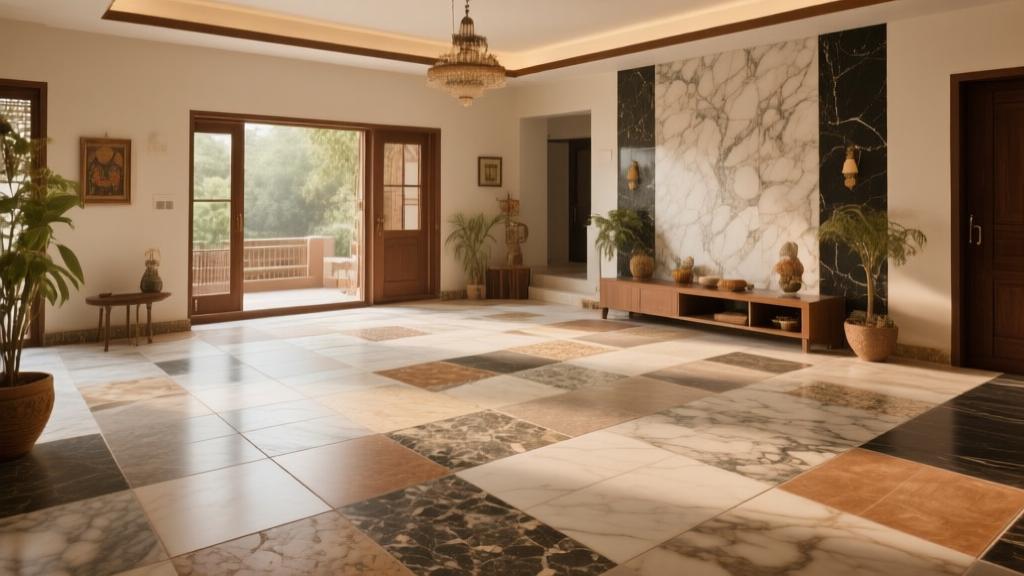
Flooring Materials for Indian Homes 2026: Complete Guide to Tiles, Marble, Granite, Vitrified & More
Choosing the right flooring is one of the most important decisions when designing an Indian home. The material you select influences aesthetics, comfort, durability, and long term maintenance costs. With the Indian market offering an ever expanding range of options, homeowners often feel overwhelmed by the technical jargon and price variations. This guide simplifies the landscape by focusing on the most widely used flooring types in 2026 and offering practical advice tailored to Indian climates and lifestyles.
From the cool sheen of marble in a luxury living room to the resilient vinyl in a busy kitchen, each material brings distinct strengths and trade-offs. We will examine ceramic tiles, vitrified tiles, marble, granite, wooden flooring, vinyl flooring and natural stone flooring. For each, we will discuss price ranges, pros and cons, maintenance requirements and the rooms where they perform best. The aim is to equip you with enough knowledge to make a confident, budget-friendly decision.
Overview of Popular Flooring Materials
In Indian homes, flooring choices are largely driven by climate, budget and the intended use of each space. Ceramic and vitrified tiles dominate the market because they are relatively inexpensive, easy to clean and available in countless designs. Natural stones such as marble and granite are preferred for their timeless elegance and heat retention properties, especially in colder regions. Wooden and vinyl flooring have gained popularity in recent years due to their warm feel underfoot and ability to mimic more expensive materials.
While each material can be installed in any room, certain types excel in specific environments. For instance, water-resistant vitrified tiles are ideal for bathrooms, whereas solid wood may be better suited to bedrooms where humidity is lower. Understanding these nuances helps avoid premature wear and costly repairs. The sections that follow dive deeper into each flooring type, providing concrete data and real-world examples.
Ceramic Tiles
Ceramic tiles are made from natural clay fired at high temperatures, resulting in a hard, non-porous surface. They are the most affordable tiling option in India, typically priced between Rs. 30 and Rs. 80 per square foot, depending on size, finish and brand. Ceramic tiles are available in glazed and unglazed varieties, with glossy glazes offering vibrant colours and matte finishes providing a subtle look. Their moderate strength makes them suitable for residential floors, but they may chip under heavy impact in high-traffic commercial settings.
Because of their versatility, ceramic tiles are a common choice for many Indian households. Below are the key advantages and disadvantages you should weigh before finalising a purchase. Consider these points in relation to your budget, design preferences and the room's functional demands.
Pros:
- Low cost - fits tight budgets.
- Wide variety of colours, patterns and sizes.
- Easy to clean with simple sweeping and mopping.
- Glazed surface resists stains and water penetration.
- Can be replaced individually if damaged.
Cons:
- Moderate strength - may chip under heavy loads.
- Glaze can wear off over time in high-traffic areas.
- Cold underfoot in winter unless heated.
- Not as slip-resistant as textured natural stone.
- Installation requires careful leveling to avoid uneven joints.
Maintenance of ceramic tiles is straightforward, making them popular among busy families. Regular sweeping and mopping with a pH-neutral cleaner keeps them looking new. Avoid harsh acidic cleaners that can erode the glaze over time. If a tile cracks, it can be replaced individually without disturbing the surrounding layout.
Vitrified Tiles
Vitrified tiles are a step up from conventional ceramic, produced by fusing clay, silica and quartz at temperatures above 1200°C. The vitrification process creates a dense, low-porosity surface that is highly resistant to water absorption and staining. In India, vitrified tiles are priced between Rs. 80 and Rs. 250 per square foot, with premium polished or full-body options reaching higher levels. Their strength and durability make them suitable for both residential and commercial applications, especially in high-traffic zones.
Vitrified tiles combine aesthetics with performance, but they also have specific considerations. Review the following pros and cons to see if they match your project requirements. The points below address cost, installation complexity and long-term behaviour.
Pros:
- High strength - resistant to impact and wear.
- Very low water absorption - ideal for wet areas.
- Available in polished, matte and textured finishes.
- Consistent colour throughout thickness reduces visible wear.
- Low maintenance - easy to clean with mild detergent.
Cons:
- Higher cost than standard ceramic tiles.
- Heavy weight may require stronger sub-floor.
- Polished finishes can be slippery when wet.
- Installation requires skilled labor for proper bonding.
- Limited design flexibility compared to natural stone.
Maintenance for vitrified tiles is minimal; a regular sweep and mop with a neutral cleaner will keep them shining. For polished finishes, use a soft mop to avoid scratching the surface. Avoid abrasive scrubbers that could dull the gloss. Periodic sealing is not required, but a thin layer of floor polish can enhance shine in high-traffic areas.
Marble
Marble is a metamorphic rock prized for its natural veining and luxurious appearance, often associated with premium Indian homes. The cost of marble in India varies widely, ranging from Rs. 150 to Rs. 500 per square foot for common grades, while exotic varieties can exceed Rs. 800 per square foot. Marble stays cool in hot climates, providing a comfortable surface for bare feet during Indian summers. However, its porous nature makes it susceptible to staining, etching and cracking if not properly sealed and maintained.
Marble offers timeless elegance but demands careful care. Below are the main advantages and disadvantages to help you decide if marble fits your lifestyle and budget. Consider the long-term upkeep before committing to a large marble floor.
Pros:
- Natural beauty with unique veining patterns.
- Cool surface temperature in hot weather.
- Adds high resale value to the property.
- Suitable for polished, honed or brushed finishes.
- Durable when properly sealed and maintained.
Cons:
- High cost compared to most other flooring options.
- Porous - prone to stains from oil, wine, juice.
- Requires regular sealing to protect against moisture.
- Can etch with acidic cleaners.
- Heavy weight may need reinforced sub-floor.
To keep marble looking its best, clean spills immediately with a soft cloth and pH-neutral cleaner. Apply a high-quality stone sealer every six months in humid areas. Avoid acidic or abrasive cleaners that can damage the surface. For a high-traffic area, consider a honed finish which hides scratches better than a polished one.
Granite
Granite is an igneous rock known for its hardness, scratch resistance and diverse colour palette. In the Indian market, granite is typically available at Rs. 120 to Rs. 350 per square foot, with premium black or rare patterns commanding higher prices. Granite's low water absorption makes it an excellent choice for wet areas such as kitchens and bathrooms. The material is also heat resistant, allowing it to endure hot cookware without damage.
Granite combines strength with aesthetic versatility, but it is not without drawbacks. Review the following pros and cons to see if granite aligns with your functional needs and design vision. The points address cost, installation and long-term care.
Pros:
- Very high durability - resists scratches and impacts.
- Low porosity - minimal water absorption.
- Heat resistant - suitable for kitchen countertops.
- Wide range of colours and patterns.
- Requires less frequent sealing than marble.
Cons:
- Cost higher than ceramic tiles but lower than premium marble.
- Heavy - may need structural support.
- Polished finishes can be slippery when wet.
- Joint lines may be visible if not installed precisely.
- Limited ability to be repaired if severely cracked.
Cleaning granite is simple; use a mild detergent and a soft mop for routine maintenance. For stubborn stains, a poultice made of baking soda and water can be applied. Apply a penetrating sealer once a year in humid climates to maintain stain resistance. Avoid using acidic cleaners such as lemon juice or vinegar, as they can dull the shine.
Wooden Flooring
Wooden flooring adds warmth and natural elegance, creating a cosy ambience that many Indian homeowners desire. Solid wood is less common in India because it expands and contracts with humidity, leading to gaps or cupping in monsoon-prone regions. Engineered wood, consisting of a thin veneer over a stable plywood core, mitigates these issues and is widely available at Rs. 200 to Rs. 600 per square foot. Both types can be finished with matte, satin or high-gloss coats, allowing for a range of design expressions.
Wooden flooring offers aesthetic charm but requires attention to climate and maintenance. Below are the key benefits and limitations to consider before choosing wood for your home. The decision often hinges on the balance between look, durability and budget.
Pros:
- Warm underfoot - comfortable in winter.
- Natural grain adds timeless beauty.
- Can be sanded and refinished (engineered wood up to 2-3 times).
- Versatile - matches both classic and contemporary interiors.
- Provides good acoustic insulation.
Cons:
- Higher cost than most tiles.
- Sensitive to moisture - can warp in high humidity.
- Requires regular polishing or oiling to maintain shine.
- Not as fire resistant as stone or tile.
- Installation needs a level, dry sub-floor.
Maintain wooden floors by sweeping daily to remove dust that can scratch the surface. Use a damp (not wet) mop with a wood-specific cleaner once a week. Apply a suitable wood polish or oil every 3-4 months to restore luster. In areas prone to moisture, consider using area rugs and ensure proper ventilation.
Vinyl Flooring
Vinyl flooring, also known as luxury vinyl tiles (LVT) or sheets, is a synthetic alternative that mimics wood, stone or ceramic at a lower cost. Modern vinyl products are durable, water-proof and comfortable underfoot, making them ideal for kitchens, bathrooms and children's rooms. Pricing in India ranges from Rs. 70 to Rs. 180 per square foot, depending on thickness, wear layer and design complexity. Installation is relatively quick, often using click-lock or adhesive methods, and the material can be replaced without major demolition.
Vinyl flooring offers practicality with design flexibility, yet it has certain constraints. Review the following pros and cons to determine if vinyl meets your expectations for style and performance. The points address durability, comfort and environmental considerations.
Pros:
- Water-proof - ideal for wet areas.
- Soft underfoot - reduces foot fatigue.
- Wide variety of designs that imitate natural materials.
- Easy DIY installation with click-lock systems.
- Low maintenance - simple sweeping and mopping.
Cons:
- Can feel less authentic than real wood or stone.
- Susceptible to dents from heavy furniture.
- May emit VOCs if low-quality products are used.
- Not as heat resistant as tile or stone.
- Edges can lift if sub-floor is uneven.
Keeping vinyl floors looking fresh is easy; sweep or vacuum regularly to remove grit that can cause scratches. Mop with a mild detergent solution and avoid abrasive pads. For stubborn stains, a soft brush and warm water work well. Do not use steam cleaners or harsh chemicals, as they can damage the wear layer.
Natural Stone Flooring (Sandstone, Limestone, Travertine)
In addition to marble and granite, Indian homes frequently use other natural stones such as sandstone, limestone and travertine for flooring. These stones are generally softer than marble or granite, offering a warm, earthy look that blends well with traditional interiors. Cost for sandstone or limestone typically falls between Rs. 100 and Rs. 250 per square foot, making them a budget-friendly alternative to premium marble. They are porous and require regular sealing to prevent stains, especially in high moisture areas. Because of their natural texture, they provide good slip resistance, which is advantageous in bathrooms and verandas.
Natural stone flooring adds character but demands proper care to maintain its appearance. Below are the main advantages and disadvantages of using sandstone, limestone or travertine in Indian homes. Consider these factors when planning a stone floor for any room.
Pros:
- Natural, earthy aesthetics that age gracefully.
- Good slip resistance due to textured surface.
- Generally lower cost than marble or high-grade granite.
- Can be polished, honed or brushed for varied looks.
- Thermal mass helps keep interiors cool.
Cons:
- More porous than marble - needs regular sealing.
- Can be prone to staining from oil or dye.
- Softness makes it vulnerable to scratches.
- Requires careful installation to avoid unevenness.
- May develop a patina that not all homeowners prefer.
To protect natural stone, clean spills immediately with a soft cloth and mild soap. Apply a penetrating stone sealer every six months in humid climates. Use a pH-neutral floor cleaner and avoid acidic solutions that can etch the surface. For high-traffic zones, consider a honed finish which hides wear better than a polished surface.
Comparison of Key Attributes
To help you visualise the differences, the table below summarises the most important attributes of each flooring type. The columns cover cost, strength, water resistance, maintenance effort and the rooms where the material typically shines. Use this as a quick reference when narrowing down your shortlist. Remember that local availability and installer expertise can also influence the final decision.
| Material | Cost (Rs. per sq ft) | Strength | Water Resistance | Maintenance | Ideal Rooms |
| Ceramic Tiles | 30-80 | Medium | Medium | Low | Living Room, Bedroom, Kitchen |
| Vitrified Tiles | 80-250 | High | High | Low | Kitchen, Bathroom, Hallway |
| Marble | 150-500 | High | Low-Medium | High | Living Room, Entrance, Master Bath |
| Granite | 120-350 | Very High | High | Medium | Kitchen, Bathroom, Utility |
| Engineered Wood | 200-600 | Medium-High | Low-Medium | Medium | Bedroom, Living Room, Study |
| Vinyl Flooring | 70-180 | Medium | Very High | Low | Kitchen, Bathroom, Kids Room |
| Sandstone/Limestone | 100-250 | Medium | Medium | Medium | Veranda, Patio, Bathroom |
The table reveals that while marble and granite score high on strength and water resistance, their maintenance demands are also higher than those of ceramic or vinyl. Vitrified tiles offer a balanced profile with moderate cost and high durability, making them a safe all-rounder. Wooden flooring provides unmatched warmth but requires careful climate control to avoid warping. Vinyl stands out for its low maintenance and water proofing, though it may lack the prestige of natural stone. Your final choice should align with the specific functional and aesthetic goals of each space.
Maintenance Tips by Material
Proper maintenance prolongs the life of any flooring and protects your investment. Below are practical, low-cost tips for each material, focusing on everyday cleaning and periodic care. Follow the recommended frequency and use of cleaning agents to avoid damaging the surface. Where applicable, sealing or polishing can restore shine and improve resistance to stains.
Ceramic Tiles: Sweep daily to remove dust and grit that can scratch the glaze. Mop with a pH-neutral cleaner once a week, avoiding abrasive scrubbing pads. For stubborn stains, apply a paste of baking soda and water, letting it sit before wiping. Seal the grout lines annually to prevent moisture penetration and mould growth.
- Use a soft broom or microfiber mop.
- Avoid acidic cleaners like vinegar.
- Replace cracked tiles promptly to avoid water seepage.
- Apply grout sealer every 12 months.
Vitrified Tiles: Regularly sweep and mop with a mild detergent solution to keep the surface glossy. For polished finishes, use a soft mop and avoid excessive water which can seep into joints. Do not use steel wool or abrasive cleaners that can dull the shine. A light coat of floor polish once a year can enhance the look in high-traffic areas.
- Use a neutral pH cleaner.
- Dry mop after cleaning to prevent water spots.
- Check joint integrity annually and re-grout if needed.
- Polish only on polished-finish tiles.
Marble: Wipe spills immediately with a soft cloth and a mild soap solution. Apply a high-quality stone sealer every six months in humid zones to prevent staining. Use a stone-specific cleaner for routine cleaning; avoid acidic or abrasive agents. For high-traffic zones, consider a honed finish that hides scratches better than a polished surface.
- Use a pH-neutral stone cleaner.
- Seal marble surfaces regularly.
- Polish with a marble polish only when needed.
- Place mats at entry points to reduce wear.
Granite: Clean daily with a mild detergent and a soft mop; avoid harsh chemicals. Apply a penetrating sealer once a year to maintain stain resistance. For oil or grease stains, use a poultice of baking soda and water, covering it for a few hours before wiping. Avoid using acidic cleaners that can dull the polish.
- Use a non-abrasive cleaner.
- Seal granite in moisture-prone areas.
- Polish with a granite polish if surface looks dull.
- Use cutting boards to protect the surface in kitchens.
Engineered Wood: Sweep with a soft broom or vacuum using a floor-brush attachment to remove dust. Mop with a damp (not wet) cloth and a wood-specific cleaner once a week. Apply a suitable wood polish or oil every 3-4 months to restore shine and protect the finish. Use area rugs in high-traffic zones to minimize wear.
- Keep humidity between 40-60% to prevent swelling.
- Do not use steam cleaners.
- Promptly wipe up spills to avoid water damage.
- Refinish only when veneer thickness allows.
Vinyl Flooring: Sweep or vacuum regularly to remove grit that can cause scratches. Mop with a mild detergent solution; avoid using harsh chemicals or abrasive pads. For stubborn stains, a soft brush with warm water works well. Do not use steam mops, as excess moisture can lift the edges over time.
- Use a soft mop instead of a scrub brush.
- Avoid oil-based cleaners.
- Place felt pads under furniture legs.
- Check seams periodically for lifting.
Sandstone/Limestone: Clean spills immediately with a soft cloth and mild soap. Apply a penetrating stone sealer every six months, especially in humid areas. Use a pH-neutral stone cleaner for routine cleaning; avoid acidic solutions that can etch the surface. For high-traffic areas, consider a honed finish which hides wear better than a polished one.
- Use a stone-specific cleaner.
- Seal regularly to prevent staining.
- Polish gently with a stone polish if needed.
- Use non-slip mats in wet zones.
Best Uses for Each Room
Choosing the right floor for each room can improve comfort, safety and longevity. The following table matches each material with the rooms where it performs best, based on factors such as slip resistance, temperature, and wear. Use this as a quick guide when planning your floor plan. Local taste and budget may lead you to mix and match, which is perfectly acceptable in Indian homes.
| Material | Living Room | Bedroom | Kitchen | Bathroom |
| Ceramic Tiles | Good | Good | Fair | Excellent |
| Vitrified Tiles | Excellent | Good | Excellent | Excellent |
| Marble | Excellent | Good | Fair | Good |
| Granite | Good | Fair | Excellent | Excellent |
| Engineered Wood | Excellent | Excellent | Fair | Poor |
| Vinyl Flooring | Good | Good | Excellent | Excellent |
| Sandstone/Limestone | Good | Fair | Good | Good |
The pattern shows that vitrified tiles and vinyl dominate high-moisture areas like kitchens and bathrooms, while wood or engineered wood excels in bedrooms and living rooms where warmth is desired. Marble and granite are still popular for entryways and formal living spaces because of their visual impact. Sandstone or limestone can be an attractive alternative for verandas and outdoor patios due to their natural slip resistance. By aligning material strengths with room functions, you can achieve a harmonious and durable interior.
Climate Considerations for Indian Weather
India experiences a wide range of climatic conditions, from the scorching heat of Rajasthan to the humid monsoons of Kerala. Flooring must be able to withstand temperature fluctuations, high humidity and occasional water ingress. Materials with low thermal conductivity, such as stone and vitrified tiles, stay cool in summer but can feel cold in winter, which some homeowners mitigate with area rugs. In humid regions, porous materials like marble or natural stone need regular sealing to prevent moisture absorption and mould growth. Conversely, in dry interiors, wooden floors may shrink, so engineered wood with a stable core is preferable.
During the monsoon season, slip resistance becomes crucial, especially in bathrooms and verandas. Tiles with a textured or matte finish provide better grip than high-gloss surfaces. Vinyl flooring, being completely waterproof, eliminates the risk of water damage and is therefore ideal for wet zones. If you opt for natural stone, choose a honed or brushed finish to improve traction without compromising aesthetics.
Buying Guide: What to Look For
Before finalising any flooring material, verify the quality certifications, such as ISI or BIS marks, which ensure compliance with Indian standards. Check the PEI rating for tiles - a rating of 3 or higher is recommended for residential floors, while 4+ is advisable for high-traffic areas. For wood, examine the veneer thickness, core material and finish type; a thicker veneer allows for more sanding and refinishing later. Ask for sample slabs and test them for colour consistency, slip resistance and compatibility with your interior lighting.
Installation quality is as important as the material itself; poorly laid tiles can crack, while uneven sub-floors can cause wood to warp. Choose experienced contractors who follow the recommended mortar mix, curing time and joint spacing. Discuss warranty terms - reputable suppliers often provide a 5-year guarantee on tiles and a 2-year warranty on wood finishes. Finally, factor in the total cost, which includes material, labour, primer, sealant and any required sub-floor preparation.
Budget planning should allocate about 10-15% of the total flooring cost for ancillary work such as leveling, waterproofing and edge trims. If you are renovating an older home, inspect the existing sub-floor for moisture damage before laying new flooring. A thorough pre-installation inspection can save you from unexpected expenses and ensure a long-lasting finish.
Conclusion
The right flooring can elevate the look and feel of your home while standing up to India's diverse climate and lifestyle demands. By weighing cost, durability, maintenance and aesthetic appeal, you can select a material that meets both functional and design goals. Whether you prefer the timeless elegance of marble, the practicality of vitrified tiles, or the cosy charm of engineered wood, there is a solution for every Indian household. Take the time to research, sample and consult with trusted professionals to ensure a successful installation.
To deepen your knowledge, explore our other articles that discuss specific aspects of flooring selection and care. Related: Anti-Skid Tiles for Indian Homes - Complete Safety & Buying Guide 2026. You may also find How to Choose Tiles for Your Home - Complete Buying Guide 2026 useful for tile selection. For a broader overview, see Flooring: Guide to Choosing the Right Flooring for Your Home. offers step-by-step guidance for laying tiles correctly. These resources complement the information presented here and help you make an informed decision.