
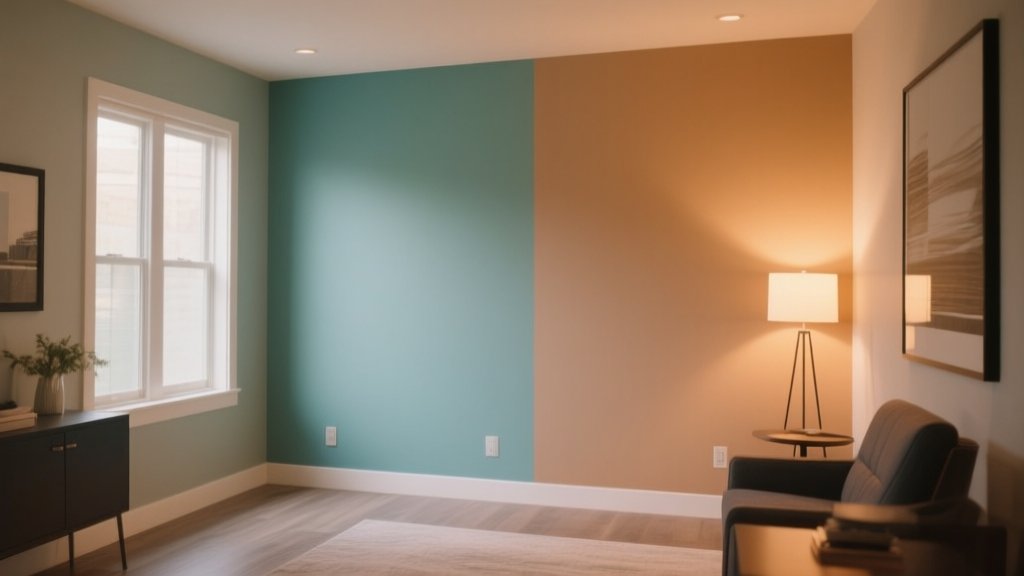
Choosing the right interior paint is one of the most visible decisions a homeowner makes during renovation. The colour, texture, and finish you select will shape the ambience of every room for years to come. In India, climate, local construction practices, and price sensitivity add extra layers to the decision-making process. This guide walks you through the essential types of paint, finishes, colour selection, wall preparation, and practical tips for getting a professional result.
Types of Interior Paint Available in India
The Indian paint market offers several types of interior paint, each suited to different rooms, budgets, and aesthetic preferences. Understanding the differences helps you avoid costly mistakes.
Emulsion Paint is the most popular choice for interior walls in India. Water-based emulsion dries quickly, has low odour, and is easy to clean. It comes in matte, silk, and eggshell finishes. Emulsion is suitable for living rooms, bedrooms, and corridors. A good quality emulsion costs between Rs. 30 to Rs. 80 per litre depending on the brand and finish.
Enamel Paint provides a hard, glossy finish that is highly durable and washable. It is traditionally used for doors, windows, metal fixtures, and wooden furniture. Enamel is solvent-based, which means stronger odour and longer drying time. For interior use, water-based enamel is gaining popularity because it offers similar durability with less smell. Price range: Rs. 60 to Rs. 150 per litre.
Distemper is the most budget-friendly option. It is a powder-based paint that you mix with water before application. Distemper gives a flat, chalky finish and is not washable. It is suitable for ceilings, rental properties, or spaces where you plan to repaint frequently. Distemper costs between Rs. 15 to Rs. 40 per kg. The downside is that itls and cracks over time, especially in humid areas.
Texture Paint has seen a surge in popularity in Indian homes over the last decade. It is applied over a base coat and creates a decorative surface pattern. Texture paint hides wall imperfections, adds depth, and reduces the need for wall coverings like wallpaper. Common texture patterns include sand finish, stone finish, and velvet finish. It costs between Rs. 40 to Rs. 120 per litre. Most homeowners apply texture paint on feature walls or in living rooms.
Weathercoat and Exterior-Grade Paints are sometimes used in interior spaces like covered balconies, stairwells, and entryways where moisture exposure is higher. These are more expensive but offer superior water resistance.
Understanding Paint Finishes
The finish you choose determines how light reflects off your walls, how easy the surface is to clean, and how much wall imperfections show. Here is a practical breakdown of the most common finishes:
- Matte Finish: Zero sheen, flat appearance. Hides wall imperfections very well. Not washable, so not ideal for high-traffic areas. Best for ceilings and low-traffic bedrooms.
- Eggshell Finish: Low sheen with a slight warmth. More washable than matte. Good for living rooms and bedrooms. This is the most balanced finish for Indian homes.
- Silk Finish: Medium sheen, velvety appearance. Washable and durable. Ideal for living rooms, corridors, and children's rooms. The most popular finish in urban Indian homes.
- Satin Finish: Higher sheen than silk. Very washable and moisture-resistant. Suitable for kitchens, bathrooms, and high-traffic areas.
- Gloss Finish: High sheen, mirror-like reflection. Extremely durable and washable. Shows every wall imperfection. Used primarily for doors, windows, and trim work.
A practical tip: if your walls are freshly plastered and smooth, you can go for silk or satin. If the walls have minor cracks or uneven patches, matte or eggshell will hide them better.
Colour Selection for Indian Homes
Indian homes have unique lighting conditions, room sizes, and cultural preferences that influence colour choices. Here are practical strategies that work in real Indian living spaces:
Light Colours for Small Rooms. White, off-white, cream, and light pastels make small rooms feel larger and brighter. In cities like Delhi and Mumbai where apartment sizes are shrinking, this is not just an aesthetic choice but a functional one. Popular shades include ivory, pearl white, and warm beige.
Bold Colours for Feature Walls. A single accent wall in deep blue, charcoal grey, or terracotta can transform a room without overwhelming it. Feature walls work best in living rooms behind the TV unit or in bedrooms behind the bed headboard.
Regional Climate Considerations. In hotter southern and western states, lighter colours reflect heat and keep interiors cooler. In northern states with colder winters, warmer tones like terracotta, mustard, and deep green create a cosy atmosphere.
Colour Psychology in Practice. Blue and green tones promote calm and are ideal for bedrooms and study rooms. Yellow and warm orange stimulate energy and work well in kitchens and dining areas. Neutral greys and whites are safe choices for rental properties and resale value.
Testing Before Committing. Always paint a small patch on the actual wall and observe it at different times of day. Morning light, afternoon sun, and evening artificial lighting all change how a colour looks. Most paint dealers provide small sample pots for this purpose.
Related: How to Prevent Water Seepage in Walls
Wall Preparation Before Painting
Painting is only as good as the surface preparation. Skipping wall prep is the most common mistake that leads to peeling, cracking, and uneven finish within months. Here is the step-by-step process:
Step 1: Clean the Surface. Remove dust, grease, and loose particles. Use a damp cloth or a mild detergent solution. For walls with old paint peeling, scrape off all loose paint with a putty knife.
Step 2: Repair Cracks and Holes. Fill hairline cracks with acrylic wall putty. For larger holes, use cementitious filler. Sand the repaired areas smooth once dry. This step is critical in Indian construction where plaster quality varies.
Step 3: Apply Primer. Primer seals the surface and ensures uniform paint absorption. On new plaster, wait at least 21 days before priming to allow moisture to evaporate. Primer costs Rs. 25 to Rs. 60 per litre. Never skip primer on new walls or over repaired patches.
Step 4: Sand and Clean Again. Lightly sand the primed surface with fine-grit sandpaper (180-220 grit). Remove all sanding dust with a clean dry cloth or vacuum.
Step 5: Masking and Protection. Use masking tape on edges, windows, doors, and switch plates. Lay drop cloths on floors and furniture. This saves hours of cleanup later.
Application Methods and Tools
How you apply paint matters almost as much as the paint itself. Here are the common methods and when to use each:
Roller Application is the fastest method for large flat walls. Use a medium-nap roller (12-15mm) for textured walls and a short-nap roller (6-8mm) for smooth walls. Roll in a W-pattern, then fill in without lifting the roller. This avoids streak marks. One litre of emulsion covers approximately 35-45 square feet per coat.
Brush Application is essential for corners, edges, around windows, and ceiling lines. Use a 2-inch angled brush for precision work. Always cut in before rolling the main wall area. Brush marks are normal and will be covered when you roll over the area.
Spray Application gives the smoothest, most professional finish. It is faster for large areas but requires more masking and protection. Spray is ideal for texture paint and for homes with many corners and architectural details. Most professional painters in India use airless sprayers for new constructions.
Number of Coats. Apply one primer coat followed by two finish coats. Do not try to achieve full coverage with a single thick coat - it leads to drips and uneven drying. Allow 4-6 hours between coats in normal weather, or overnight in humid conditions.
Common Mistakes to Avoid
- Painting over damp walls. New plaster needs 21 days to cure. Painting too early traps moisture and causes blistering. Check by taping a plastic sheet to the wall overnight - if condensation forms underneath, the wall is still damp.
- Mixing paint types. Do not apply water-based paint over oil-based paint without proper primer. The adhesion will fail.
- Skipping primer on patched areas. Even if the rest of the wall is primed, always primer-patch repaired spots before the final coat.
- Using cheap rollers and brushes. Poor-quality tools shed fibres, leave streaks, and waste paint. Invest in decent tools - they pay for themselves in better results.
- Painting in direct sunlight or high humidity. Ideal conditions are 20-35 degrees Celsius with humidity below 70%. Avoid painting on monsoon days.
- Not stirring paint thoroughly. Pigments settle at the bottom. Stir for at least 2-3 minutes before and during application.
How Much Paint Do You Need?
Calculate your wall area by multiplying height by width of each wall, then subtracting the area of windows and doors. A simple formula: (Wall Height x Perimeter) minus (Window and Door Areas). Add 10 percent for wastage and touch-ups.
For a typical 12x12 foot bedroom with 10-foot ceilings:
- Total wall area: approximately 440 square feet (after subtracting door and window)
- One coat coverage: 10 litres of emulsion
- Two coats: 20 litres
- Primer: 5-7 litres
Most Indian paint brands sell in 1-litre, 2-litre, 4-litre, and 20-litre packs. For a single room, 4-litre packs are convenient. For whole-house painting, 20-litre packs are more economical.
Paint Maintenance and Touch-ups
Interior paint typically lasts 3-5 years before needing a full repaint. Here is how to extend the life of your paint job:
- Keep a small amount of leftover paint for touch-ups. Label the can with the room name and date.
- Clean walls with a damp cloth every few months to remove dust and grease buildup.
- For silk and satin finishes, use mild soap solution for spot cleaning. Do not scrub matte finishes.
- If you notice small cracks, fill with putty, sand, primer-patch, and repaint the affected area only.
- Address water seepage immediately. Paint over damp walls is a temporary fix that will fail.
Related: AAC Block vs Fly Ash Brick vs Red Brick Comparison
Final Thoughts
Choosing interior paint is a balance of aesthetics, durability, and budget. For most Indian homes, a mid-range emulsion in silk or eggshell finish, applied over properly prepared walls with primer, gives the best long-term result. Do not compromise on wall preparation or primer - these are the invisible steps that determine whether your paint job lasts three years or ten.
If you are planning a whole-house painting project, get quotes from at least two painters, check their recent work, and confirm whether primer and wall preparation are included in the quoted price. Many painters quote low rates but charge extra for primer and putty work.