
Introduction
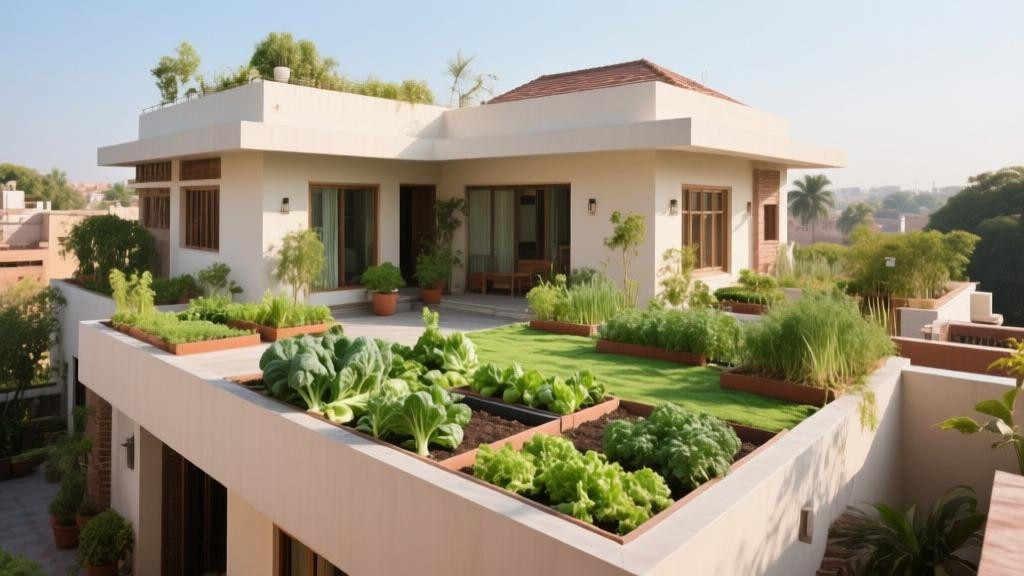
With rapid urbanisation and limited open space in Indian cities, the concept of a terrace garden or green roof has moved from a niche hobby to a mainstream solution for sustainable living. By turning unused roof areas into productive green spaces, homeowners can enjoy fresh air, improve building insulation, and even grow their own vegetables. This guide, updated for 2026, provides a step-by-step roadmap for creating a thriving rooftop garden in India. It covers everything from planning and material selection to plant choices and long-term maintenance, ensuring that your terrace garden not only looks beautiful but also adds value to your property.
What is a Terrace Garden and Green Roof
A terrace garden refers to any type of garden cultivated on a flat roof or terrace. It can range from simple container planting to sophisticated structural systems that support a full layer of soil and vegetation. A green roof, on the other hand, typically involves a more engineered approach with multiple layers of waterproofing, drainage, and lightweight growing medium designed to support extensive plant growth while protecting the roof structure.
Both concepts share common goals: enhancing urban biodiversity, reducing heat island effect, and providing a pleasant recreational space. In India, the term "terrace gardening" is often used interchangeably with "green roof," but the level of technical detail and load-bearing requirements can differ significantly.
Benefits of Terrace Gardening in India
Environmental Benefits
- Temperature regulation: Vegetation on rooftops absorbs solar radiation, lowering indoor temperatures by up to 5 degrees Celsius.
- Air quality improvement: Plants filter dust and pollutants, contributing to cleaner air in densely populated areas.
- Rainwater management: Green roofs retain up to 70 percent of rainfall, reducing runoff and preventing flooding.
- Urban biodiversity: Native shrubs and herbs attract pollinators, supporting local ecosystems.
Economic Benefits
- Energy savings: Natural insulation can cut cooling costs by 15-30 percent, especially in hot Indian summers.
- Increased property value: A well-maintained terrace garden adds aesthetic appeal and can raise resale price.
- Food production: Growing vegetables and herbs reduces grocery expenses and promotes self-sufficiency.
Health and Lifestyle Benefits
- Stress reduction: Access to green space improves mental well-being and reduces anxiety.
- Physical activity: Gardening provides low-impact exercise, beneficial for all age groups.
- Community building: Shared terrace gardens foster social interaction among neighbours.
Types of Terrace Gardens
| Type | Structural Load (kg/m2) | Water Retention | Maintenance | Ideal Plants | Cost (Rs.) |
|---|---|---|---|---|---|
| Container Garden | Up to 50 | Low | Low | Herbs, small shrubs | Rs. 5,000-10,000 |
| Raised Bed Garden | 50-100 | Medium | Medium | Vegetables, dwarf fruit trees | Rs. 10,000-20,000 |
| Extensive Green Roof | 75-150 | High | Low-Medium | Succulents, native grasses | Rs. 15,000-30,000 |
| Intensive Green Roof | 150-300 | Very High | High | Large shrubs, small trees | Rs. 30,000-60,000 |
| Hydroponic Terrace Garden | 30-80 | Variable (controlled) | Medium-High | Leafy greens, herbs | Rs. 20,000-40,000 |
Step-by-Step Guide to Creating a Terrace Garden
1. Assess Structural Capacity
Before any planting, consult a structural engineer to confirm that your roof can support the additional load. Refer to our steel requirement guide for detailed calculations on your home structure.
2. Choose the Garden Type
Select a garden type that matches your roof's load-bearing capacity, climate, and maintenance willingness. Use the comparison table above to help decide.
3. Prepare the Roof Surface
- Clean the roof of debris and loose materials.
- Inspect for cracks or damaged areas that need repair.
- Apply a waterproofing membrane (see our waterproofing cost guide for options).
- Install a drainage layer using lightweight aggregate or plastic geotextile.
4. Install the Growing Medium
Use a lightweight, well-draining substrate. For extensive green roofs, a mix of coconut coir, perlite, and compost in a 2:1:1 ratio works well. For container gardens, standard potting mix is sufficient. See our concrete mix ratio guide for understanding material proportions.
5. Add Edge Restraints and Support
Install edge rails or wooden frames to contain soil and prevent erosion. Ensure they are anchored securely to the roof slab.
6. Plant Selection and Layout
Arrange plants according to sunlight exposure, water needs, and growth habit. Group plants with similar watering schedules together.
7. Irrigation System Setup
- Consider drip irrigation with a timer for efficient water use.
- Install a rainwater harvesting system to supplement irrigation.
- Use moisture sensors to avoid over-watering.
8. Final Inspection and Soft Launch
Check for proper drainage, ensure no water pooling, and verify that all plants are stable. Give the garden a week to settle before full-scale planting.
Essential Materials and Their Specifications
- Waterproofing Membrane: Bituminous sheet or liquid-applied polymer with a minimum thickness of 2 mm. Must be UV resistant.
- Drainage Layer: Extruded polystyrene (XPS) boards, lightweight aggregate, or geocomposite mats. Minimum thickness 30 mm for extensive roofs.
- Growing Medium: Bulk density not exceeding 0.8 g/cm3. Use a mix of coconut coir, perlite, and compost. For heavier loads, incorporate expanded clay pellets.
- Edge Restraints: Galvanised steel or treated timber, thickness at least 2 mm to resist corrosion.
- Irrigation Components: Polyethylene drip lines (16 mm diameter), pressure regulator (0.5-1 bar), and automatic timer.
- Plant Supports: Lightweight bamboo stakes or stainless steel clips for climbing vines.
Best Plants for Indian Terrace Gardens (by Season)
Winter (December-February)
- Leafy greens: Spinach (Palak), Fenugreek (Methi)
- Root vegetables: Radish (Mooli), Carrot
- Herbs: Coriander, Mint
Summer (March-June)
- Heat-tolerant vegetables: Okra (Bhindi), Eggplant (Baingan)
- Fruit: Strawberries (in containers), Chili peppers
- Flowering plants: Marigold, Petunias
Monsoon (July-September)
- Water-loving plants: Water lettuce, Peppermint
- Vegetables: Tomato (in shade), Capsicum
- Ground cover: Periwinkle (Sadabahar)
Post-Monsoon (October-November)
- Cool-season greens: Mustard greens (Sarson), Lettuce
- Herbs: Basil (Tulsi), Rosemary
- Ornamentals: Begonia, Impatiens
Waterproofing and Drainage Requirements
Proper waterproofing is the backbone of any successful terrace garden. A typical roof waterproofing system consists of three layers:
- Primary waterproofing membrane: Applied directly on the roof slab. Choose a membrane with a minimum service life of 10 years.
- Protection board: A lightweight concrete or fibre-reinforced board that shields the membrane from mechanical damage.
- Drainage layer: Provides a path for excess water to flow to the downspouts. Ensure the slope of the roof is at least 2 percent (2 cm per meter) for effective drainage.
In addition to the membrane, install a capped drainage pipe or gravel-filled trench at the lowest point of the terrace to collect runoff. Regularly inspect and clean the drainage outlets to prevent clogging, especially during the monsoon season.
Maintenance Tips
- Regular watering: Check soil moisture twice a week. Adjust irrigation schedule based on seasonal rainfall.
- Fertilisation: Apply organic compost or slow-release NPK fertilizer every 6-8 weeks. Use neem cake for natural pest control.
- Pruning: Trim dead or overgrown foliage to improve air circulation and prevent disease.
- Pest management: Use neem oil spray or homemade garlic-chilli spray for common pests like aphids and whiteflies.
- Structural checks: Every 12 months, have a professional inspect the waterproofing and load-bearing elements for signs of wear.
- Seasonal plant rotation: Replace summer-only crops with winter greens to maintain year-round productivity.
Common Mistakes to Avoid
- Overloading the roof: Ignoring structural limits can lead to slab cracking or collapse. Always verify load capacity first.
- Improper waterproofing: Skipping a protection board or using low-quality membranes increases the risk of leaks.
- Poor drainage design: Flat roofs without adequate slope cause water stagnation, leading to root rot and membrane damage.
- Using heavy soil: Conventional garden soil is too dense. Opt for lightweight growing media to reduce load.
- Neglecting wind load: Tall plants or trellises can act as sails in strong winds; secure them with proper anchors.
- Inadequate plant selection: Choosing shade-loving plants for a sunny rooftop or vice-versa reduces growth success.
FAQ
1. Can I install a terrace garden on my flat roof in India?
Yes, most flat RCC roofs in India can support a terrace garden with proper planning. First, verify the structural load capacity with a qualified engineer. A typical residential roof can handle 50-150 kg per square meter. For lightweight container gardens, the load is minimal. For extensive green roofs, use lightweight growing media and consult your building's structural drawings before proceeding.
2. How much does a terrace garden cost in India?
The cost of a terrace garden varies widely depending on the type and size. A basic container garden costs between Rs. 5,000 and Rs. 10,000 for a small area. A raised bed garden ranges from Rs. 10,000 to Rs. 20,000. Extensive green roofs cost Rs. 15,000 to Rs. 30,000 per square meter, while intensive green roofs with trees and shrubs can run Rs. 30,000 to Rs. 60,000 per square meter. Factors affecting cost include waterproofing, drainage, growing medium, plants, and irrigation systems.
3. What are the best plants for terrace gardens in India?
The best plants depend on your climate, sunlight exposure, and maintenance capacity. For beginners, start with herbs like tulsi, mint, coriander, and curry leaves. Vegetables like tomatoes, brinjals, and okra do well in containers. For ornamental purposes, marigolds, petunias, and bougainvillea are low-maintenance options. In northern India, consider seasonal rotation - grow leafy greens in winter and heat-tolerant varieties in summer.
4. How do I waterproof my terrace before building a garden?
Start by cleaning the roof surface and repairing any cracks with cement mortar. Apply a liquid waterproofing membrane or bituminous sheet with minimum 2 mm thickness. Add a protection board to shield the membrane from mechanical damage. Install a drainage layer using lightweight aggregate or geocomposite mats. Ensure the roof has a minimum 2 percent slope toward drainage outlets. For best results, follow our detailed waterproofing guide.
Conclusion
Creating a terrace garden or green roof in India is a practical and rewarding investment for any homeowner. From reducing indoor temperatures and saving energy to growing fresh vegetables and improving air quality, the benefits extend far beyond aesthetics. With proper structural assessment, waterproofing, and plant selection, your rooftop can transform from an unused space into a thriving green oasis. Start small with container gardening, then gradually expand as you gain confidence and experience. The key is planning ahead, choosing the right materials, and committing to regular maintenance. Your terrace garden will not only enhance your quality of life but also contribute to a more sustainable urban environment.