
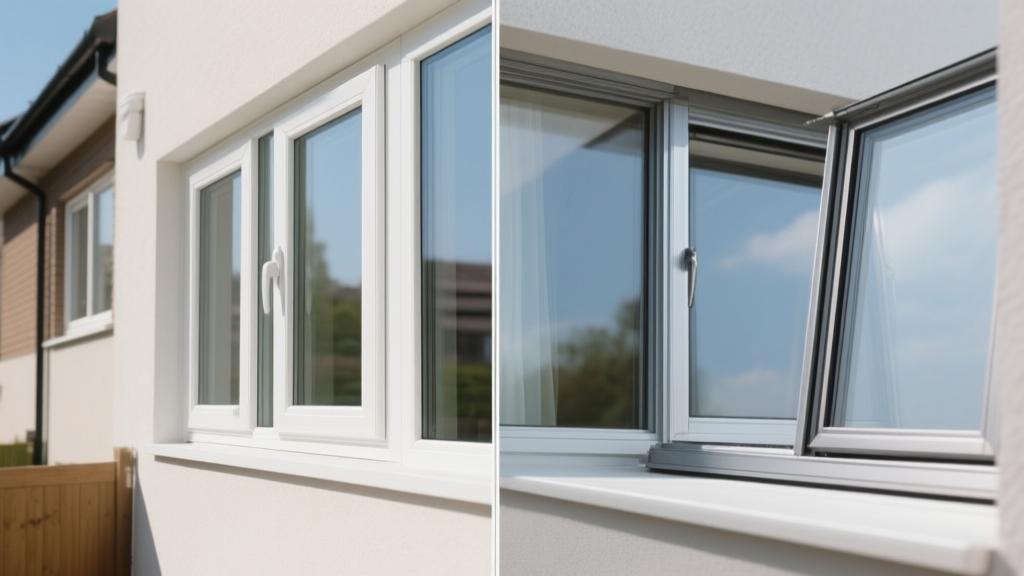
uPVC Windows vs Aluminium Windows - Complete Comparison Guide 2026
Choosing the right window material is one of the most critical decisions for Indian homeowners and builders. Windows affect not only the aesthetics of a home but also its energy consumption, comfort, security and long term maintenance costs. In the Indian market, uPVC and aluminium windows dominate the segment, each promising a distinct set of benefits. This guide provides a comprehensive comparison of uPVC and aluminium windows, helping you make an informed choice for your specific climate, budget and design preferences.
Material Properties and Core Composition
uPVC (unplasticized polyvinyl chloride) is a rigid, polymeric material that does not contain plasticisers, making it highly stable under temperature variations. The raw uPVC profile is typically reinforced with steel or aluminium inserts at the corners and hinges to improve structural integrity. Aluminium windows are made from extruded aluminium sections, often alloyed with silicon, magnesium or manganese to enhance strength and corrosion resistance. Both materials can be powder coated or anodised to achieve a wide range of colours and finishes, but aluminium naturally offers a slimmer frame due to its higher strength-to-weight ratio.
The density of uPVC is about 1.4 g/cm³, while aluminium is around 2.7 g/cm³, meaning aluminium frames are heavier but also more robust. uPVC is inherently non-conductive, which gives it an advantage in thermal isolation, whereas aluminium is a good conductor of heat and must be thermally broken to improve insulation. Modern aluminium windows often incorporate a thermal break - a polyamide or polyurethane strip - to reduce heat transfer across the frame. These core differences influence performance in the varied Indian climate, from scorching summers to humid monsoons.
Insulation and Thermal Performance
Thermal performance is measured by the U-value, which represents the rate of heat loss through a window. Lower U-values indicate better insulation. Standard uPVC windows typically achieve U-values ranging from 1.4 to 2.0 W/m²K, depending on glazing and frame thickness. Aluminium windows without a thermal break can have U-values above 3.0 W/m²K, but high-quality thermally broken aluminium frames can bring the U-value down to 1.6-2.2 W/m²K.
In Indian homes, especially those without central air-conditioning, a lower U-value translates to reduced reliance on fans and split AC units, leading to lower electricity bills. uPVC's low thermal conductivity also helps keep interior spaces cooler during peak summer, while retaining warmth during cooler winter nights. For homes in coastal or humid regions, condensation resistance becomes important; uPVC's non-porous surface resists moisture absorption better than aluminium, reducing the risk of mould formation on frames.
| Feature | uPVC | Aluminium (Thermally Broken) |
|---|---|---|
| Typical U-value (W/m²K) | 1.4 - 2.0 | 1.6 - 2.2 |
| Thermal Conductivity (W/mK) | 0.14 - 0.20 | 0.70 (solid) / 0.12 (with break) |
| Frame Weight (kg/m²) | â 6 - 8 | â 10 - 12 |
| Moisture Resistance | Excellent (non-porous) | Good (requires proper sealing) |
Sound Insulation
Sound insulation is a key factor for homes located near busy roads or commercial zones. Both uPVC and aluminium windows can be fitted with double or triple glazed units to improve acoustic performance, but the frame material also plays a role. uPVC's inherent density and flexibility help dampen vibrations, offering an average Sound Transmission Class (STC) of 30 to 35 for double glazed units. Aluminium frames, being more rigid, can transmit sound more readily, but a thermally broken design with acoustic sealing gaskets can raise the STC to 32-36.
In practice, the difference in sound insulation between the two materials is modest when high-quality glazing is used. However, for budget projects where single glazing is still common, uPVC's superior acoustic damping can provide a noticeable reduction in external noise. Homeowners in metropolitan cities like Mumbai, Delhi or Bangalore often prefer uPVC for its better sound control, especially in apartments facing main roads.
Durability and Lifespan
Both uPVC and aluminium windows are engineered for long service life, but the degradation mechanisms differ. uPVC is resistant to corrosion, rot and insect attack, and can last 20-30 years under normal conditions. Its colour is integral to the profile, so fading is minimal, although prolonged exposure to intense UV radiation can cause slight discoloration over decades. Aluminium, especially when powder coated, can also last 25-35 years, but it is prone to surface scratches and, in coastal areas, may suffer from galvanic corrosion if the coating is compromised.
Thermal expansion is another consideration. uPVC expands and contracts more with temperature changes, which can affect hardware alignment if not properly designed. Aluminium has a lower coefficient of thermal expansion, making it more dimensionally stable in extreme temperature swings. For high-rise buildings where wind loads are significant, aluminium's higher strength-to-weight ratio often makes it the preferred choice.
Maintenance Requirements
One of the biggest advantages of uPVC windows is their low maintenance demand. The surface is smooth and does not require painting; occasional cleaning with mild detergent is sufficient. The seals and hardware are typically made of stainless steel or brass, which resist rust. In the Indian context, where monsoon humidity can accelerate mould growth, uPVC's non-porous nature helps keep frames clean and mould-free.
Aluminium windows require periodic inspection of the powder-coat finish, especially in coastal or industrial areas where salt spray and pollutants are prevalent. If the coating chips, the underlying metal can corrode, necessitating repainting or touch-up. However, aluminium frames are easy to clean, and the hardware can be lubricated to maintain smooth operation. Overall, uPVC is considered the more hassle-free option for most residential applications.
Security Features
Security is a critical factor for Indian homeowners, and both uPVC and aluminium windows can be equipped with robust locking mechanisms. uPVC frames usually incorporate multi-point locking systems that engage at the top, middle and bottom of the sash, providing strong resistance against forced entry. The reinforcement inserts within the uPVC profile add rigidity, making the frame difficult to pry open.
Aluminium windows, due to their higher strength, can accommodate heavier-duty locks and reinforced hinges. Premium aluminium systems often feature anti-pick cylinders, steel reinforcement bars, and tamper-proof screws. While both materials can meet high security standards, aluminium's inherent strength may give it a slight edge in high-risk locations such as ground-floor apartments or houses in gated communities.
Design Options and Aesthetics
Design flexibility is a major selling point for both uPVC and aluminium windows. uPVC is available in a range of standard colours-white, off-white, beige and pastel shades-and can be custom-painted with specialist paints if a specific colour is required. The profiles are slightly thicker, which can be a design constraint for ultra-slim modern façades.
Aluminium offers a broader palette due to powder coating and anodising, including metallic finishes, matte blacks and vibrant reds. Its slim frame allows for larger glass areas and minimal visual obstruction, a feature highly valued in contemporary Indian architecture that emphasizes natural light. Both materials support various opening mechanisms such as casement, sliding, tilt-and-turn and awning, ensuring compatibility with diverse architectural styles.
Cost Comparison per Square Foot
Cost is often the decisive factor for builders and homeowners. uPVC windows are generally more affordable, with prices ranging from Rs. 1,200 to Rs. 2,200 per square foot for standard double-glazed units, depending on thickness, hardware and brand. Premium uPVC systems with enhanced thermal breaks and decorative finishes can go up to Rs. 2,500 per square foot.
Aluminium windows are priced higher, typically between Rs. 1,800 and Rs. 3,200 per square foot for thermally broken, double-glazed units. High-end aluminium systems with custom finishes, larger glass spans and advanced security hardware can exceed Rs. 3,500 per square foot. The cost differential is partly due to the higher material price of aluminium and the additional processing required for thermal breaks.
| Window Type | Price Range (Rs. per sq ft) | Typical U-value |
|---|---|---|
| Standard uPVC (double glazed) | 1,200 - 2,200 | 1.6 - 2.0 |
| Premium uPVC (thermal break, decorative) | 2,300 - 2,500 | 1.4 - 1.8 |
| Standard Aluminium (thermally broken) | 1,800 - 2,800 | 1.6 - 2.2 |
| Premium Aluminium (custom finish, high security) | 3,000 - 3,500 | 1.5 - 1.9 |
Performance in Indian Climate: Heat, Monsoon, and Coastal Conditions
India's climate varies from scorching hot summers in the interior to humid monsoons along the coasts. In hot, dry regions such as Rajasthan or interior Gujarat, uPVC's low thermal conductivity helps keep interiors cooler, reducing reliance on air-conditioning. The material's resistance to warping under high temperatures also ensures consistent operation.
During the monsoon season, moisture resistance becomes vital. uPVC's non-porous surface repels water, preventing swelling or rot, while aluminium frames must be adequately sealed to avoid water ingress at joints. In coastal cities like Chennai, Kochi or Mumbai, the salty air can accelerate corrosion on aluminium if the coating is damaged. Selecting aluminium from reputable manufacturers that offer marine-grade powder coating mitigates this risk, but uPVC remains inherently corrosion-free.
For high-rise apartments where wind pressure is significant, aluminium's higher structural strength and slimmer profile allow for larger glass spans without compromising safety. However, for low-rise independent houses with moderate wind loads, uPVC provides a cost-effective solution with comparable performance. Ultimately, the best choice depends on the specific climatic challenges of the project location.
Brand Recommendations (Indian Market)
When selecting a window system, choosing a reputable brand ensures quality control, warranty support and availability of spare parts. In the uPVC segment, notable Indian manufacturers include Techno Barriers, uPVC Windows India and Indian uPVC. These brands offer a range of standard and premium profiles, have established dealer networks across major cities, and provide warranties ranging from 5 to 10 years on frames and hardware.
For aluminium windows, leading options are Godrej, Asian Paints Aluminium and a variety of trusted local fabricators who specialize in custom aluminium systems. Godrej and Asian Paints provide thermally broken, powder-coated frames with extensive colour choices, and their products are often backed by 10-year guarantees. Local fabricators can offer competitive pricing and bespoke designs, but it is essential to verify their use of certified alloys and proper thermal break installation.
Regardless of brand, always request technical data sheets, U-value certificates and details of the glazing system to ensure the windows meet the performance criteria for your project. Independent testing reports from agencies such as BIS or ISI further validate the claims made by manufacturers.
Decision Matrix for Different Home Types
The following matrix helps you match the most suitable window material to common Indian residential scenarios. Consider factors such as budget, climate exposure, security needs and design aspirations when evaluating the options.
| Home Type | Recommended Material | Key Reasons |
|---|---|---|
| Apartment (mid-rise, urban) | uPVC (standard double glazed) | Good thermal and acoustic performance, lower cost, easy maintenance in high-traffic environments. |
| Apartment (high-rise, >15 floors) | Aluminium (thermally broken) | Higher structural strength, slimmer frames for large glass areas, better wind resistance. |
| Independent house (sub-urban) | uPVC (premium with thermal break) | Balance of cost and energy efficiency, suitable for moderate climate zones. |
| Coastal home (sea-side) | Aluminium (marine-grade coating) or uPVC (if budget constrained) | Aluminium offers durability against salty air if properly coated; uPVC resists corrosion but may need extra sealing. |
| High-security gated villa | Aluminium (reinforced, high-security locks) | Superior frame strength, ability to integrate heavy-duty hardware and anti-pick mechanisms. |
Practical Tips for Installation and After-Care
Proper installation is as important as material selection. Ensure that the window opening is square and level to avoid stress on the frame. Use high-quality silicone or PU sealants at all joints, especially in monsoon-prone regions, to prevent water leakage. For aluminium frames, verify that the thermal break is correctly positioned and that the internal insulation is not compromised during installation.
After installation, regular checks of the hardware, seals and glass condition prolong the lifespan of both uPVC and aluminium windows. Lubricate hinges and locking mechanisms every six months with a non-corrosive oil. In coastal areas, inspect the powder-coat finish of aluminium windows for chips or scratches and touch up promptly to avoid rust formation. A simple cleaning routine using a soft cloth and mild detergent keeps the frames looking new for years.
Related: Window Installation Tips
Related: Energy Efficient Homes
Related: Home Renovation Guide
Frequently Asked Questions (FAQ)
1. Can uPVC windows be painted to match interior décor?
Yes, uPVC frames can be painted with specially formulated acrylic or epoxy paints designed for plastic surfaces. However, the colour is usually integral to the profile, so custom painting may affect warranty terms. For most homeowners, choosing from the factory-offered colour palette is a cost-effective solution.
2. How do I know if an aluminium window has a proper thermal break?
Ask the supplier for a technical data sheet that specifies the presence of a polyamide or polyurethane thermal break and its thickness (typically 20-30 mm). The sheet should also list the resulting U-value. During inspection, you can feel for a distinct insulating layer between the inner and outer aluminium skins.
3. Are uPVC windows suitable for large glass spans?
Standard uPVC profiles have a limitation on the size of the glass opening due to frame rigidity. For very large spans, aluminium is usually preferred because it can support wider glass panels with slimmer profiles. If you need large windows, consider a hybrid system where uPVC is used for smaller sections and aluminium for larger panels.
4. What maintenance is required for aluminium windows in a coastal environment?
In coastal areas, inspect the powder-coat finish regularly for chips or scratches caused by sand and salt spray. Touch up any damaged spots with a compatible marine-grade coating. Additionally, clean the frames with fresh water to remove salt deposits and lubricate the hardware to prevent corrosion of moving parts.
5. Which window material offers better resale value for a property?
Both uPVC and aluminium windows are accepted in the Indian market, but premium aluminium systems often add a perception of higher quality and modern aesthetics, which can enhance resale appeal in upscale neighbourhoods. In mid-range markets, the cost-effectiveness of uPVC combined with good performance can also be a strong selling point. Ultimately, the choice should align with the target buyer profile and the overall design language of the home.