
How to Choose the Right Water Tank for Your Home - Overhead vs Underground, Material Comparison Guide 2026
1. Why the Choice of Water Tank Matters for Indian Homes
India experiences a wide variation in water availability across regions and seasons, making reliable water storage a critical part of any residential design. A well selected tank can bridge the gap between monsoon supply and dry months, ensuring that daily activities such as cooking, bathing and cleaning are not disrupted. In addition to continuity of supply, the material and placement of the tank influence water quality, especially when the stored water is used for drinking. Choosing the right tank therefore protects health, reduces water wastage and adds long term value to the property.
Cost considerations extend beyond the initial purchase price. The weight of the tank, the need for a reinforced foundation, and the frequency of maintenance all affect the total cost of ownership over the lifespan of the product. A tank that is too small may force homeowners to purchase water from vendors, increasing monthly expenses, while an oversized tank can waste space and raise construction costs. Balancing upfront investment with operational savings is a key part of the decision making process.
Regulatory guidelines in many Indian states require that water storage units used for potable water meet food-grade certification standards. This ensures that the tank material does not leach harmful chemicals into the water, a concern especially for plastic and metal tanks. Homeowners should also be aware of local building codes that may dictate minimum clearances for overhead tanks or depth requirements for underground installations. Compliance avoids legal hassles and future retrofitting costs.
Future proofing the water storage system is another practical aspect. As families grow or lifestyle patterns change, water demand may increase, demanding a flexible solution that can be upgraded or expanded. Selecting a tank with modular accessories, such as interchangeable inlet/outlet fittings, can simplify future modifications. Planning ahead reduces the need for costly replacements and helps maintain a consistent water supply.
2. Overhead vs Underground Tanks: Pros and Cons
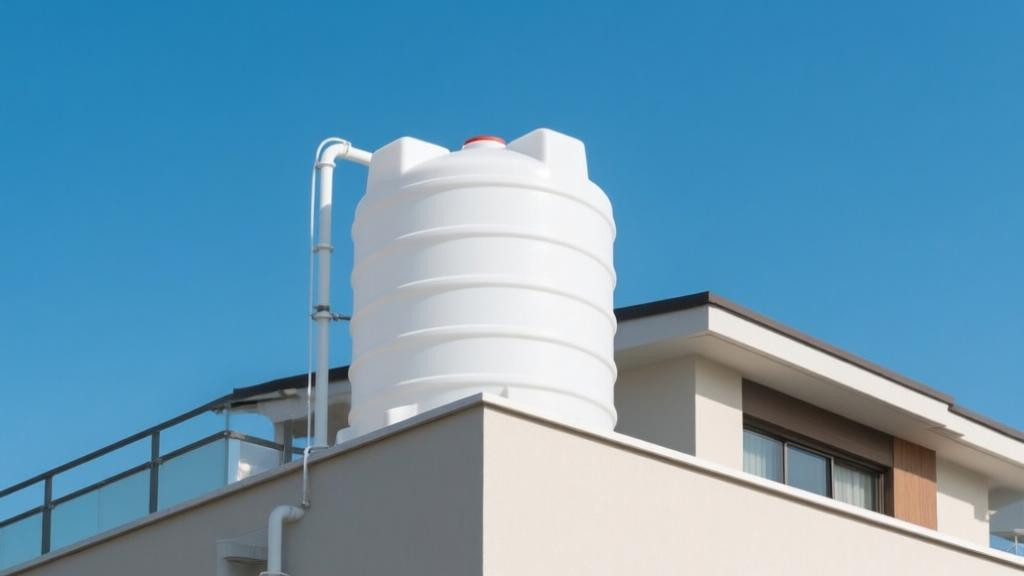
Overhead tanks are installed above ground level, usually on the roof or a dedicated platform, and rely on gravity to distribute water to the household plumbing. The primary advantage of this arrangement is the elimination of a pump for distribution, which saves electricity and reduces mechanical failure points. However, overhead tanks are exposed to direct sunlight, which can increase water temperature and promote algae growth if the tank material is not UV-protected. Proper shading or UV-resistant liners are essential to mitigate these drawbacks.
Underground tanks are placed below the ground surface, often within a pit or a purpose-built chamber, providing a hidden and space-saving storage solution. Being underground keeps the water temperature relatively stable, reducing the risk of bacterial proliferation and making the water more suitable for drinking. The main challenges of underground tanks include the need for excavation, a robust waterproofing system, and a reliable pump to lift water to the point of use. These factors increase installation complexity and may raise the overall cost.
From an aesthetic perspective, overhead tanks are visible and can affect the exterior look of a house, especially in urban apartments where rooftop space is limited. In contrast, underground tanks are invisible, preserving the visual appeal of the property and freeing up roof space for solar panels or gardening. The decision often hinges on site constraints, budget, and personal preference for visual impact.
Maintenance access also differs. Overhead tanks can be accessed easily for cleaning and inspection, while underground tanks may require a hatch or a removable cover, which can be cumbersome in cramped pits. Nevertheless, underground tanks are less prone to accidental damage from weather events such as strong winds or hail. Weighing these factors helps homeowners choose the configuration that best aligns with their priorities.
| Feature | Overhead Tank | Underground Tank |
|---|---|---|
| Installation Complexity | Low to moderate - platform or roof mounting | High - excavation and waterproofing required |
| Initial Cost (Rs. per litre) | ~10 - 15 | ~12 - 18 |
| Maintenance Access | Easy - ladder or roof access | Moderate - hatch or pit entry |
| Space Utilisation | Consumes roof area | Hidden below ground, frees roof space |
| Temperature Stability | Variable - depends on sun exposure | Stable - earth insulation |
| Risk of Algae Growth | Higher - needs UV protection | Lower - cooler temperature |
3. Material Comparison: Plastic, Concrete, Stainless Steel, Fiberglass
Polyethylene (PE) plastic tanks are lightweight, corrosion resistant and widely available in capacities ranging from 500 litres to 10,000 litres. Modern PE tanks are formulated with UV inhibitors and anti-algae additives, making them suitable for overhead installations in sunny climates. The downside is that they can be susceptible to deformation under heavy loads if not properly supported, and low-grade plastics may leach chemicals over time. For most Indian households, a high-density PE tank with food-grade certification offers a good balance of cost and performance.
Concrete or reinforced cement concrete (RCC) tanks provide exceptional durability and can be custom-shaped to fit underground pits or large overhead platforms. Their high compressive strength allows them to bear substantial water weight without additional supports. However, concrete tanks are heavy, require a strong foundation, and are prone to cracking if the ground shifts or if they are not properly cured. They also need a waterproof coating and periodic inspection for leaks.
Stainless steel tanks, typically made from SS 304 or SS 316, are prized for their hygienic properties, resistance to corrosion and sleek appearance. They are ideal for storing drinking water as they do not impart taste or odor. The main limitation is the higher cost, usually ranging from Rs. 30 to 45 per litre, and the need for professional welding and installation to maintain structural integrity. Stainless steel tanks are best suited for premium homes or where water quality is a top priority.
Fiberglass reinforced plastic (FRP) tanks combine the light weight of plastic with the strength of glass fibre reinforcement. They are highly resistant to corrosion, UV rays and chemical attacks, making them suitable for both overhead and underground applications. FRP tanks have a smooth interior surface that discourages algae growth and are often available with food-grade liners. The price point sits between PE and stainless steel, typically around Rs. 20 to 30 per litre, and they require careful handling during installation to avoid surface scratches.
| Material | Weight (kg per 1000 L) | Cost (Rs. per litre) | Durability (years) | UV/Algae Resistance | Food-Grade |
|---|---|---|---|---|---|
| Polyethylene (PE) | ~15 | 10 - 15 | 10 - 15 | Good (with UV inhibitor) | Yes (when certified) |
| Concrete / RCC | ~2500 | 8 - 12 | 20 - 30 | Low (needs coating) | Yes (with proper liner) |
| Stainless Steel | ~780 | 30 - 45 | 25 - 40 | Excellent | Yes |
| Fiberglass (FRP) | ~120 | 20 - 30 | 15 - 25 | Excellent | Yes (when liner used) |
4. Calculating the Right Capacity for Your Family
Estimating water demand begins with understanding the average daily consumption per person, which in India typically ranges from 120 to 150 litres for a mixed usage household. For a family of four, a safe baseline is 500 litres per day, allowing for cooking, bathing, laundry and a modest margin for guests or emergencies. Multiply the daily requirement by the number of days you wish to store water - many experts recommend a 3-day reserve for urban areas and a 7-day reserve for regions with intermittent supply.
Using the formula: Required Capacity (L) = Number of Persons x Daily Consumption per Person x Reserve Days, a four-person family aiming for a 3-day buffer would need roughly 4 x 130 x 3 = 1560 litres. If the same family lives in a water-scarce locality and prefers a 7-day buffer, the calculation becomes 4 x 130 x 7 = 3640 litres. Adjust the daily consumption figure based on actual usage patterns, such as the presence of water-intensive appliances like washing machines.
It is also wise to account for peak usage periods, such as festivals or summer months when bathing frequency increases. Adding a 10-15% safety margin to the calculated capacity helps avoid unexpected shortages. For example, a 1560 litre requirement plus a 15% margin results in a practical tank size of around 1800 litres.
When selecting a tank, consider the available installation space and the modularity of the product. Some manufacturers offer linked tank systems that can be combined to achieve larger capacities without compromising structural integrity. Choosing a size that aligns with both demand and space constraints ensures efficient water management and avoids costly future upgrades.
5. Placement Guidelines and Installation Tips
Location of the tank should follow a logical flow from source to point of use, minimizing the length of pipe runs and reducing pressure loss. Overhead tanks are best placed on a sturdy platform that is level, well-ventilated and protected from direct sunlight using a shade net or a roof overhang. The platform must be capable of supporting the full weight of the filled tank - for a 2000 litre PE tank, this translates to roughly 2 tonnes, so a reinforced concrete slab is recommended.
Underground tanks require a pit that is excavated to the exact dimensions of the tank, with extra clearance for a maintenance hatch and drainage layer. The bottom of the pit should be packed with a sand-gravel mix to provide a stable base and to facilitate drainage in case of leakage. Waterproofing the exterior of the tank with a cement-based coating or a polymer membrane helps prevent seepage into surrounding soil.
All tanks need inlet and outlet fittings that are accessible for cleaning and inspection. Install a first-flush device or a sediment filter at the inlet to keep debris out of the tank, especially for overhead installations that collect rainwater. For underground tanks, a sub-mersible pump with a pressure tank is essential to deliver water to the household without excessive energy consumption.
During installation, verify that the tank is perfectly level using a spirit level or a laser level. An uneven tank can cause stress points leading to cracks, especially in rigid materials like concrete and stainless steel. After positioning, conduct a leak test by filling the tank partially and checking for any seepage around joints, fittings and the base. Proper sealing with PTFE tape or appropriate sealants ensures long-term watertight performance.
- Ensure adequate clearance for ventilation and access.
- Provide a shade or UV-resistant coating for overhead tanks.
- Use anti-corrosive fasteners for metal tanks.
- Install a level indicator or water gauge for monitoring.
- Plan for future expansion by leaving space for additional tanks.
6. Maintenance, Cleaning and Longevity
Regular maintenance is vital to prevent bacterial growth, algae formation and structural degradation. For PE and FRP tanks, a quarterly cleaning schedule that involves draining the tank, scrubbing the interior with a mild detergent and rinsing thoroughly is sufficient. Concrete tanks benefit from a periodic application of a waterproofing sealant to address micro-cracks that may appear over time.
Stainless steel tanks require a gentle cleaning approach to avoid scratching the surface; a solution of diluted vinegar or a non-abrasive stainless steel cleaner works well. After cleaning, a passivation treatment can be applied to restore the protective oxide layer, extending the tank's lifespan. All tanks should be inspected for signs of corrosion, rust, or loose fittings at least twice a year.
To combat algae, consider adding a small amount of chlorine tablet or a food-grade algaecide after each cleaning cycle, especially for overhead tanks exposed to sunlight. UV-resistant liners or paints can further inhibit algae growth. Installing a pre-filter on the inlet line reduces the organic load entering the tank, making it easier to keep the water clear.
Keep a maintenance log that records the date of each cleaning, the chemicals used, and any repairs performed. This documentation helps track the health of the tank and can be valuable when selling the property. A well-maintained tank can provide reliable service for 10 to 30 years depending on the material and usage patterns.
- Drain and clean the tank at least once every three months.
- Use food-grade cleaning agents to avoid water contamination.
- Check and tighten all fittings and valves regularly.
- Monitor water quality with a simple test kit for pH and bacterial count.
- Replace worn out gaskets and seals promptly.
7. Cost Considerations and Brand Recommendations
The cost of a water tank is influenced by material, capacity, brand reputation and additional features such as UV protection or food-grade certification. Polyethylene tanks are the most economical, with prices ranging from Rs. 10 to 15 per litre, making a 2000 litre unit cost approximately Rs. 20,000 to Rs. 30,000. Concrete tanks, while cheaper per litre at Rs. 8 to 12, incur higher installation costs due to excavation and reinforcement requirements.
Stainless steel tanks command a premium price of Rs. 30 to 45 per litre, so a 1000 litre stainless unit can cost up to Rs. 45,000. Fiberglass tanks fall in the middle, priced at Rs. 20 to 30 per litre, offering a good mix of durability and aesthetics. When budgeting, factor in ancillary costs such as a reinforced platform, pump system, waterproofing, and labor, which can add 20-30% to the total expense.
Several reputable Indian manufacturers provide a range of options that meet the criteria discussed. Havells offers UV-stabilized PE tanks with food-grade certification and a wide capacity range. Rajshree manufactures sturdy RCC underground tanks with anti-crack technology. Ashirvad supplies FRP tanks that are lightweight and corrosion resistant, suitable for both overhead and underground use. Supreme provides stainless steel tanks with polished interiors that are easy to clean. While each brand has strengths, the final choice should be based on independent assessment of product specifications, warranty terms and after-sales support.
It is advisable to obtain at least three quotations from certified dealers, verify the presence of ISO or BIS certifications, and ask for references from recent installations. Comparing total cost of ownership rather than just the upfront price leads to better long-term value. Remember that a slightly higher initial investment in a quality, certified tank can reduce maintenance expenses and improve water safety over the life of the system.
8. Common Mistakes to Avoid
One frequent mistake is oversizing the tank without evaluating the structural capacity of the roof or foundation, which can lead to cracks or collapse. Homeowners should always consult a structural engineer before placing a heavy tank overhead, especially when using concrete or steel units. Ignoring the need for UV protection on overhead plastic tanks can cause premature degradation and bacterial growth.
Another error is neglecting proper sealing of inlet and outlet connections, which creates opportunities for leaks and contamination. Using ordinary PVC fittings instead of food-grade approved connectors can introduce harmful chemicals into the water. Likewise, failing to install a first-flush or sediment filter at the inlet allows dust, leaves and insects to accumulate inside the tank.
Many owners skip the routine cleaning schedule, assuming that the tank will stay clean on its own. Stagnant water becomes a breeding ground for algae, mold and Legionella bacteria, posing health risks. Regular cleaning, coupled with occasional disinfection, is essential for safe drinking water.
Finally, some people place underground tanks too close to the foundation or utilities, which can cause water seepage into the building structure or interfere with electrical wiring. Proper site planning, adequate spacing, and a waterproof membrane around the tank mitigate these risks. By addressing these common pitfalls early, homeowners can ensure a reliable and long-lasting water storage solution.
9. Frequently Asked Questions (FAQ)
Q: Is a plastic water tank safe for drinking water?
A: Yes, provided the tank is made from food-grade polyethylene and has the appropriate certification. Look for labels such as "NSF" or "BIS" that confirm the material does not leach harmful substances.
Q: How often should I clean my water tank?
A: It is recommended to clean the tank at least once every three months. In areas with high temperature or algae growth, a monthly cleaning may be necessary.
Q: Can I install an underground tank on a sloping site?
A: Yes, but the pit must be levelled using a compacted sand-gravel base and the tank should be anchored to prevent movement. Professional excavation and leveling are essential for a stable installation.
Q: What is the typical lifespan of a stainless steel tank?
A: With proper maintenance, a stainless steel tank can last 25 to 40 years, making it one of the longest-lasting options on the market.
Q: Do I need a pump for an overhead tank?
A: No, an overhead tank uses gravity to deliver water to the household, eliminating the need for a pump. However, a booster pump may be required if the tank is placed at a lower level than the fixtures.
Q: How can I prevent algae growth in my tank?
A: Use a UV-resistant tank, keep the tank shaded, install a fine mesh filter at the inlet, and add a small dose of chlorine or a food-grade algaecide after each cleaning cycle.
Related: Water Conservation Tips for Indian Homes
Related: Home Renovation Ideas for Modern Indian Living
Related Reading:
- How to Plan Electrical Wiring for Your New Home - Essential guide for water pump and home electrical setup
- Roofing Materials for Indian Homes - Important for overhead tank placement on your roof
- How to Choose the Right Sanitary Ware and Bathroom Fittings - Plan your complete water system including fixtures