
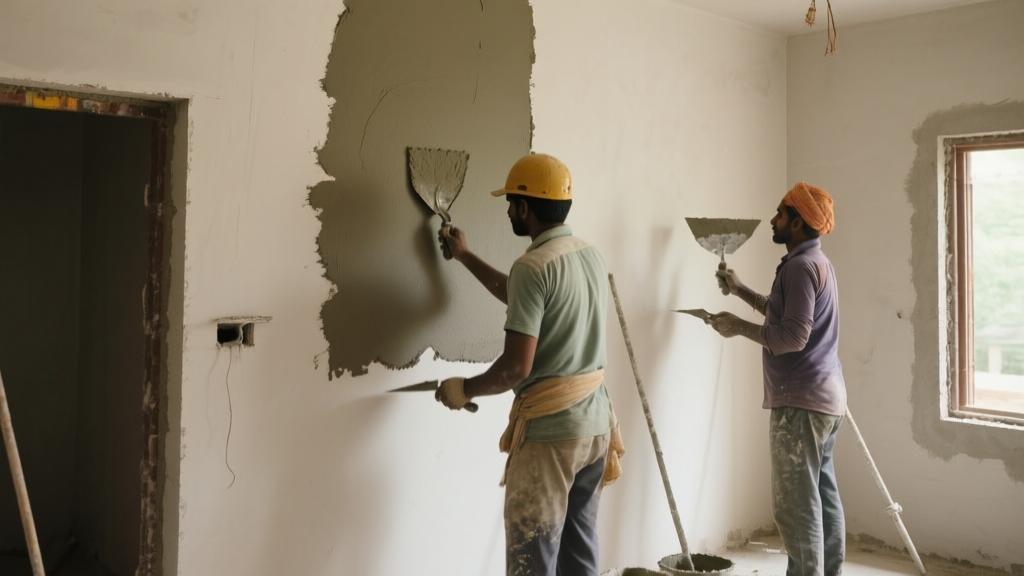
Plastering Guide for Indian Homes - Types, Materials, Costs and Best Practices 2026
Plastering is a critical finishing step that protects walls and enhances interior aesthetics. In Indian houses, the choice of plaster influences durability, moisture resistance, and the overall look of rooms. This guide provides a comprehensive overview of plaster types, required materials, application steps, cost considerations, common defects, and best practices for homeowners and small builders. The information is tailored to Indian climatic zones and market conditions as of 2026.
Why Plastering Matters in Indian Homes
A well applied plaster acts as a protective skin that shields brick or concrete masonry from weathering, dust and insects. It also provides a smooth substrate for paint, wall tiles or decorative finishes, improving visual appeal and resale value. In humid coastal regions, proper plaster reduces water seepage and mold growth, while in arid zones it helps retain indoor humidity. Understanding the technical aspects of plastering can prevent costly rework and extend the service life of the building envelope.
Common Types of Plaster Used in India
Indian construction projects typically use four main plaster systems - cement, gypsum, lime and acrylic - each suited to specific performance requirements. Cement plaster remains the most widely used for its strength and affordability, especially in external walls and high moisture areas. Gypsum plaster offers a finer finish and quicker setting, making it popular for interior partitions and decorative work. Lime and acrylic plasters provide flexibility, breathability and enhanced water resistance, valuable in heritage restorations and modern high-performance buildings. The following table summarises the key properties, ideal applications and typical cost ranges of these plaster types.
| Plaster Type | Main Binder | Typical Thickness (mm) | Advantages | Disadvantages | Approx Cost per sq ft (Rs.) |
|---|---|---|---|---|---|
| Cement Plaster | Portland Cement | 10-15 | High strength, good water resistance, widely available | Hard, prone to cracking if not cured properly | 30-45 |
| Gypsum Plaster | Gypsum (Calcium Sulphate) | 6-10 | Fine finish, fast setting, easy to work with | Not suitable for damp areas, lower strength | 45-70 |
| Lime Plaster | Hydrated Lime or Lime Putty | 10-20 | Breathable, antimicrobial, flexible | Longer curing time, lower early strength | 20-35 |
| Acrylic Plaster | Acrylic Resin Modified Cement/Lime | 8-12 | Excellent water resistance, single coat, smooth finish | Higher material cost, needs skilled applicator | 80-120 |
Cement plaster is a mixture of ordinary Portland cement, fine sand, water and optional additives such as plasticisers or fibre. The usual mix ratio for external walls is 1:4 (cement to sand) and for internal walls 1:5, providing a compressive strength of 10-15 MPa after curing. Its high alkalinity makes it resistant to fungal growth and it adheres well to concrete, brick and concrete blocks. However, cement plaster is relatively hard and can crack if the substrate moves or if it is applied too thickly without proper curing. It is also more porous than lime or acrylic options, which may require a waterproofing primer in damp zones.
Gypsum plaster, also known as plaster of Paris, consists of calcium sulphate hemihydrate, fine sand and a small amount of cement or polymer binder. It is mixed in a ratio of 1:2 to 1:3 (gypsum to sand) and sets within 30-45 minutes, allowing rapid completion of interior works. The smooth, low-shrinkage finish is ideal for decorative cornices, false ceilings and wall panels where a fine surface is required. Gypsum plaster is less tolerant of moisture, so it is unsuitable for external walls or bathrooms without a moisture barrier. Its lower compressive strength, typically 5-8 MPa, means it should not be used on load-bearing surfaces.
Lime plaster uses hydrated lime or lime putty as the binding agent, combined with sand and sometimes pozzolanic additives. The classic mix ratio is 1 part lime to 3-4 parts sand, producing a flexible, breathable coating that accommodates minor movements of the wall. Lime plaster has natural antimicrobial properties and can regulate indoor humidity, making it a healthy choice for residential interiors. It requires a longer curing period, often 7-14 days, and the surface must be kept damp during this time to avoid rapid drying cracks. The main drawback is its lower early strength, so it is generally applied on interior walls or on heritage structures where compatibility with old masonry is essential.
Acrylic plaster is a polymer-modified cement or lime based system that incorporates acrylic resins to improve adhesion, elasticity and water resistance. It can be applied as a single coat of 8-12 mm thickness, reducing labor and material usage compared with traditional multi-coat systems. The acrylic binder creates a film that seals the surface, making it highly suitable for external walls in coastal and high-rainfall zones. Acrylic plaster also provides a smooth finish that can be directly painted without additional priming, saving time on interior projects. The higher material cost and need for skilled applicators are the main considerations when selecting this option.
Materials and Tools Required for Plastering
The basic material list includes the chosen binder (cement, gypsum, lime or acrylic resin), clean river sand, water and optional additives such as plasticisers, retarders or fibre reinforcement. For cement plaster you may also need a bonding agent to improve adhesion on smooth substrates, while gypsum work benefits from a setting accelerator in cold weather. Essential tools comprise a sturdy trowel, hawk, plastering float, mixing bucket, electric or diesel mixer, spirit level, measuring tape and protective gear like gloves and goggles. In addition, a plastering scaffold or sturdy ladder is required for high walls, and a misting spray bottle helps maintain proper moisture during curing. Selecting the right grade of cement, for example 33 or 43 grade, is crucial; you can refer to our cement grade guide for detailed selection criteria.
- Binder (cement, gypsum, hydrated lime, acrylic resin)
- Fine river sand (graded 0.6-1.2 mm)
- Clean water
- Plasticiser or superplasticiser (optional)
- Retarder or accelerator (for gypsum)
- Bonding agent (for smooth surfaces)
- Fibre reinforcement (optional)
- Mixing bucket or drum
- Electric mixer
- Steel trowel (stainless steel preferred)
- Hawk
- Plastering float
- Straight edge or darby
- Spirit level
- Measuring tape
- Scaffold or sturdy ladder
- Protective gloves, goggles, mask
Always purchase sand that passes the sieve test for consistency, as excessive fines can weaken the plaster matrix. Verify the cement quality by performing simple home tests such as the fineness or setting time test, detailed in our cement quality tests blog. Store gypsum and acrylic binders in dry conditions to prevent clumping and moisture absorption before use. Pre-wet the sand slightly for cement plaster to reduce water demand and achieve a workable mix. Proper material handling reduces waste and ensures the final finish meets the design expectations.
Step-by-Step Application Process
The plastering process can be broken down into surface preparation, mix preparation, application, finishing and curing, each requiring careful attention to detail. While the overall workflow is similar across plaster types, certain steps such as setting time, curing method and number of coats differ. The following subsections outline the specific sequence for cement, gypsum, lime and acrylic plasters, allowing you to choose the appropriate method for your project. Remember to protect flooring and fixtures with drop cloths before starting any plaster work. A disciplined approach reduces the risk of cracks, delamination and uneven surfaces.
Cement Plaster Application
Begin by cleaning the wall surface, removing dust, loose mortar and any oily residues, then dampening it with a fine mist to improve bond. Prepare the mix by adding sand to a clean bucket, then slowly add cement and water while stirring to achieve a smooth, lump-free paste of medium consistency. Apply the first coat (scratch coat) of about 8-10 mm thickness using a trowel, and while it is still wet, score the surface with a darby or notched trowel to create a mechanical key for the second coat. After the scratch coat sets (typically 24-48 hours), apply the second coat, leveling it with a straight edge and then finishing with a steel trowel to achieve a smooth surface. Keep the plaster moist by lightly spraying water for the next 48-72 hours, especially in hot or dry weather, to prevent premature shrinkage and cracking.
Gypsum Plaster Application
For gypsum plaster, first ensure the substrate is clean, dry and free of any oily substances, then apply a thin bonding coat if the wall is very smooth. Mix gypsum powder with sand in a 1:2 ratio and add water gradually, stirring until a creamy consistency is obtained; the mix should be used within 30 minutes of preparation. Apply the first coat of 6-8 mm thickness using a trowel, and immediately smooth it with a float to eliminate any air pockets. Once the first coat begins to set (about 10-15 minutes), apply a second thin coat to achieve the desired finish, then lightly burnish the surface with a steel trowel for a glossy look. Avoid exposing gypsum plaster to moisture; if required in humid areas, apply a waterproofing primer after the plaster has fully cured.
Lime Plaster Application
Start by dampening the wall and, if needed, applying a lime wash to improve adhesion, especially on hard or previously rendered surfaces. Prepare the lime-sand mix by first slaking hydrated lime in water for at least 30 minutes, then blending it with sand to a creamy, workable paste. Apply the first coat (scratch coat) of 10-12 mm thickness, pressing it firmly into the wall to fill voids, and then lightly score the surface to create a key for the finish coat. After the scratch coat has set (usually 2-3 days), apply the finish coat of 5-6 mm, smoothing it with a wooden float and then polishing with a trowel for a fine finish. Keep the lime plaster continuously moist for at least a week by misting, which allows the carbonation process to develop strength and prevents shrinkage cracks.
Acrylic Plaster Application
Acrylic plaster can be applied directly on a clean, primed surface; if the substrate is smooth, a primer or bonding agent is recommended. Mix the acrylic resin with sand and the specified amount of water according to the manufacturer's instructions, ensuring a uniform, lump-free consistency. Apply a single coat of 8-12 mm thickness using a trowel, working the material into the wall and smoothing it in one continuous motion to avoid lap lines. After placement, allow the plaster to set for 2-3 hours, then lightly sand any minor imperfections before applying the final paint or decorative finish. Because acrylic plaster is less porous, it does not require prolonged curing, but it is advisable to keep the area shaded and protected from direct rain for the first 24 hours.
Cost Analysis: Price per Square Foot and Detailed Breakdown
The cost of plastering varies widely depending on the type of plaster, local material rates, labor charges and the complexity of the project. As of 2026, typical market rates for a standard 12-mm thickness range from Rs. 30-45 per square foot for cement plaster to Rs. 80-120 for acrylic systems. Gypsum plaster falls in the middle at Rs. 45-70 per square foot, while lime plaster remains the most economical at Rs. 20-35 per square foot for interior walls. Labor costs in most Indian cities range between Rs. 10-20 per square foot, with higher rates in metropolitan areas and for skilled acrylic applicators. The following table summarises the average price per square foot for each plaster type, providing a quick reference for budgeting.
| Plaster Type | Material Cost (Rs. per sq ft) | Labor Cost (Rs. per sq ft) | Total Approx Cost (Rs. per sq ft) |
|---|---|---|---|
| Cement Plaster | 20-30 | 12-18 | 30-45 |
| Gypsum Plaster | 30-45 | 12-18 | 45-70 |
| Lime Plaster | 12-20 | 8-12 | 20-35 |
| Acrylic Plaster | 60-100 | 15-20 | 80-120 |
Material cost includes the binder, sand, additives and any required bonding agents, and it forms the largest portion of the total expense for high-performance plasters. Labor cost reflects the number of coats, skill level required and the curing time; acrylic plaster, despite its higher material price, can reduce labor because it often needs only one coat. For large projects, bulk procurement of sand and cement can lower material prices by up to 10 percent, while hiring a reputable plastering crew can prevent rework costs. To calculate an accurate estimate, multiply the total cost per square foot by the wall area, and add a 5-10 percent contingency for unforeseen variations. For detailed guidance on concrete mix ratios that affect the underlying substrate, refer to our concrete mix ratio guide.
Common Defects in Plaster and Their Repairs
Even with careful execution, plaster can develop defects that compromise appearance and durability if not addressed promptly. Typical issues include cracks, delamination, powdery surface, water stains, and uneven thickness. Identifying the root cause-whether it is improper mixing, inadequate curing, or substrate movement-helps in selecting the most effective repair method. The following list outlines common defects, their probable causes and recommended remedial actions for Indian homes. Early intervention not only restores aesthetics but also prevents long-term structural problems.
- Cracks (hairline or wide): Cause - shrinkage, thermal movement, insufficient curing. Repair - widen crack, apply bonding agent, fill with cement-lime or epoxy filler, re-trowel.
- Delamination or peeling: Cause - poor bond, contaminated substrate. Repair - remove loose plaster, clean surface, apply bonding primer, reapply plaster in thin coats.
- Powdery or chalky surface: Cause - excess water, insufficient curing. Repair - gently brush off loose powder, reapply thin skim coat with proper mix, keep moist.
- Water stains or efflorescence: Cause - moisture ingress, soluble salts. Repair - identify source of water, apply waterproofing primer, re-plaster with cement or acrylic plaster.
- Uneven thickness or bulges: Cause - inconsistent application, substrate irregularities. Repair - scrape excess plaster, level surface, apply finishing coat.
Regular visual inspection of walls, especially after the first week of curing, can catch early signs of these defects. Using a straight edge or level across the wall helps detect uneven areas that may need correction before final painting. For extensive cracking, consider installing a control joint or using a flexible acrylic plaster to accommodate movement. Documenting the repair process, including material batches and curing conditions, aids future maintenance and warranty claims. Prompt repair ensures that the plaster continues to protect the underlying masonry and maintains the interior finish quality.
Regional Variations and Weather Considerations
India's diverse climate-from humid coastal zones to dry desert regions and cold Himalayan foothills-affects plaster performance and selection. In coastal areas like Mumbai and Chennai, high humidity and salt-laden air demand moisture-resistant plasters such as acrylic or cement with waterproofing additives. In arid interiors such as Rajasthan, lime plaster's breathability helps regulate indoor temperature and reduces cracking caused by rapid drying. In colder northern states, gypsum plaster's quick setting is advantageous during winter when construction timelines are tight. Understanding local weather patterns allows homeowners to choose a plaster system that balances durability, comfort and cost.
Temperature and relative humidity directly influence the setting time and curing rate of plaster; ideal plastering conditions are 20-30°C and 50-70% humidity. During hot summer days, increase the water content slightly and mist the plaster surface regularly to prevent shrinkage cracks. In rainy seasons, protect fresh plaster with waterproof sheeting and avoid applying cement or gypsum plaster on damp substrates. In winter, use setting accelerators for gypsum and keep the work area warm to achieve proper strength development. Planning plaster work around favorable weather windows can improve finish quality and reduce the risk of defect formation.
Best Practices for Homeowners and Small Builders
Homeowners who oversee plastering projects can achieve professional results by following a disciplined preparation and execution plan. Verify material quality, maintain correct mix ratios, and ensure the wall surface is clean, slightly damp and free of contaminants before applying plaster. Use a reputable contractor who follows industry standards, and request a mock-up section to evaluate finish before proceeding with the full area. Monitor curing conditions by misting the plaster and protecting it from direct sunlight or wind, especially during the first 48 hours. Document all material receipts and labor agreements to avoid disputes and to facilitate future maintenance.
- Conduct a pre-plaster inspection for cracks, dampness or loose render.
- Choose the appropriate plaster type based on location and intended use.
- Maintain accurate mix ratios; use a measuring bucket for consistency.
- Apply plaster in thin, even coats rather than a single thick layer.
- Keep the plaster moist during curing; mist with water every 4-6 hours.
- Use a steel trowel for a smooth finish and a plasticiser to improve workability.
- Perform a water-resistance test after curing by sprinkling water on a small area.
- Allow adequate drying time before painting; typically 7-10 days for cement, 3-5 days for gypsum.
Quality Checking Checklist Before Final Acceptance
Before signing off on plaster work, a systematic quality check ensures that the finish meets structural and aesthetic standards. The checklist below covers visual, dimensional and performance criteria that can be verified without specialized equipment. Any deviations should be addressed by the contractor before the final handover to avoid future repair costs. Use a straight edge, level and torch to evaluate flatness, adherence and any hidden voids. A thorough inspection also protects the homeowner's investment and enhances the resale value of the property.
- Surface is uniformly smooth with no visible bumps, ridges or depressions.
- No hairline or wide cracks visible at normal viewing distance.
- Edges and corners are sharp, with no flaking or delamination.
- Plaster thickness measured with a depth gauge matches the specified 10-12 mm (or as per design).
- Moisture test: place a damp cloth on the plaster for 15 minutes; no water should seep through.
- Color consistency across the entire area, indicating uniform mixing.
- Properly cured: the surface should be hard to the touch and not chalky.
- No efflorescence or salt deposits after 24 hours of drying.
If you are unsure about the cement quality used in the plaster, you can perform simple field tests such as the fineness and setting time checks. Detailed step-by-step instructions are available in our how to check cement quality at home blog. Performing these tests before mixing can prevent weak plaster and costly rework. Additionally, confirming the correct cement grade aligns with the recommendations in our cement grade guide. By combining material verification with proper application, you ensure a durable and aesthetically pleasing finish.
Conclusion
Plastering, when executed with the right materials, techniques and quality control, adds strength, protection and beauty to Indian homes. Selecting the appropriate plaster type-whether cement, gypsum, lime or acrylic-depends on climate, budget and performance requirements. Following the step-by-step process, monitoring costs, addressing defects early and adhering to best practices will result in a long-lasting finish. Homeowners equipped with the knowledge presented in this guide can confidently supervise contractors and make informed decisions. For further reading on related construction topics, explore our other blogs on cement grades and concrete mix ratios.