
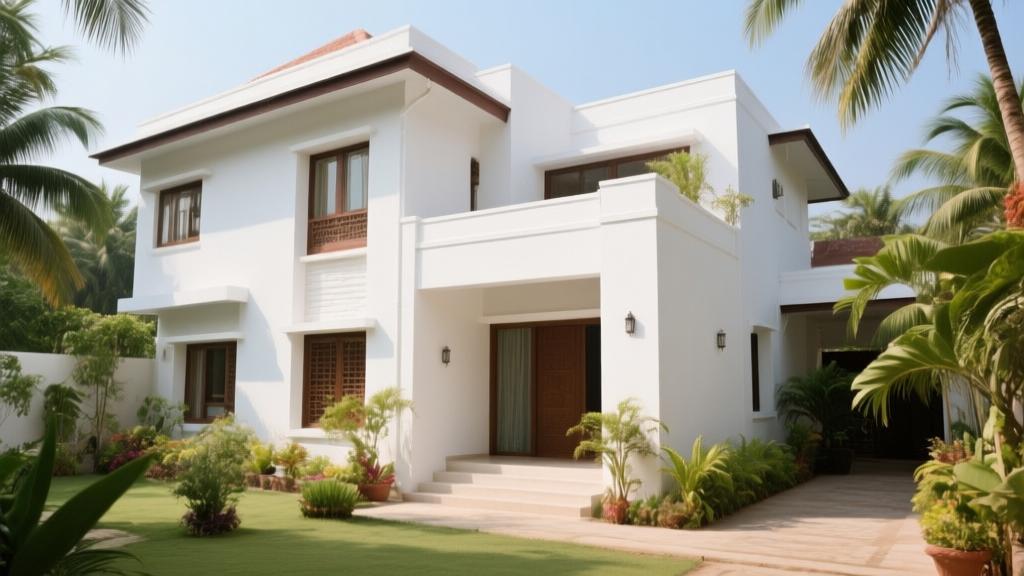
Termite Treatment for New Construction in India 2026 - Complete Prevention Guide
Termites are one of the most destructive pests affecting residential and commercial structures in India. Their silent feeding habits can compromise the integrity of a building within a few years if left unchecked. For new construction projects, early intervention is far more cost-effective than repairing damage after an infestation has taken hold. This guide provides a complete overview of termite treatment and prevention strategies tailored for Indian homes and construction sites in 2026.
Types of Termites Found in India
India hosts a diverse range of termite species, but three genera are responsible for the majority of structural damage. Coptotermes, Macrotermes and Odontotermes are widely distributed across the subcontinent and each exhibits unique biological traits that influence control measures. Understanding the behavior and habitat preferences of these termites is essential for selecting the right treatment method. The following sections describe each genus in detail.
Coptotermes, commonly known as the subterranean drywood termite, thrives in moist soil and attacks wooden components through underground tunnels. This genus is highly aggressive and can cause rapid deterioration of concrete foundations, columns and floor slabs. Colonies can contain several hundred thousand individuals, making infestations difficult to eradicate without chemical barriers. In coastal and humid regions of India, Coptotermes is the predominant species causing structural failures.
Macrotermes species are larger, mound-building termites that prefer tropical and subtropical climates. They build extensive underground networks and can extend for several meters from their visible mounds, allowing them to reach nearby structures. While they primarily feed on dead plant material, the sheer size of their colonies can lead to incidental damage to wooden beams and joists. Macrotermes infestations are more common in the southern states of Tamil Nadu, Kerala and Karnataka.
Odontotermes are another group of subterranean termites that are frequently encountered in northern and central India. They are known for constructing mud tubes on walls and foundations, which serve as protective pathways to food sources. Odontotermes colonies are adaptable and can survive in a wide range of soil types, from sandy loam to heavy clay. Their ability to tolerate lower moisture levels makes them a persistent threat in arid regions such as Rajasthan and Gujarat.
Pre-Construction Treatment Methods
Implementing termite control before the first brick is laid offers the most reliable protection against future infestations. The most common pre-construction approach is soil treatment, which involves applying termiticides to the excavated foundation area and back-filled the soil with a chemically treated layer. This creates an invisible barrier that repels or kills termites attempting to penetrate the structure. Soil treatment can be combined with physical barriers such as sand or stainless steel mesh for added security.
Typical chemicals used for soil treatment include fipronil, imidacloprid and chlorpyrifos, each offering long-lasting residual activity of 2 to 5 years. The application rate varies with soil type, but most contractors charge between Rs. 30 and Rs. 50 per sq ft for a full-depth treatment. Additional costs may arise for specialised equipment, safety gear and waste disposal, especially in urban sites with strict environmental regulations. Homeowners should obtain a detailed quotation that breaks down material, labour and any ancillary fees.
The following table summarises the most common termite control methods used in new construction, highlighting how each technique works, its advantages, drawbacks and typical cost per sq ft. Each method varies in terms of application complexity, environmental impact and longevity. The table below provides a quick reference for builders to compare options and make an informed decision.
| Method | How it Works | Pros | Cons | Typical Cost (Rs. per sq ft) |
|---|---|---|---|---|
| Soil Treatment | Termiticide is mixed with soil and back-filled around foundation. | Long-lasting barrier, penetrates deep. | Requires excavation, chemical handling. | 30-50 |
| Barrier Treatment | Physical barrier such as stainless steel mesh or sand placed before concrete. | Non-chemical, eco-friendly. | Higher material cost, may be difficult in tight spaces. | 40-70 |
| Baiting System | Cellulose bait stations with slow-acting insecticide placed around perimeter. | Targets colony, minimal soil disturbance. | Requires regular monitoring, slower action. | 50-80 |
| Fumigation | Structure is sealed and gas (e.g., sulfuryl fluoride) is introduced to eradicate termites. | Effective for existing infestations, reaches hidden nests. | Expensive, requires evacuation, not preventive. | 80-120 |
From the comparison it is clear that soil treatment offers the best balance of cost and durability for new construction, while barrier treatment provides a chemical-free alternative for environmentally conscious projects. Baiting systems are valuable for ongoing monitoring but may not replace a primary barrier in high-risk zones. Fumigation remains a powerful tool for post-construction infestations but is seldom used as a preventive measure due to its high expense and operational complexity.
Post-Construction Treatment Options
When a building is already occupied, termite control must be carried out with minimal disruption to residents and interior finishes. Surface sprays using non-repellent termiticides can be applied to exposed timber, while injection of termiticides through drilled holes in floors and walls provides targeted treatment. Rodent-proof sealing of cracks and gaps prevents termite entry from adjacent soil. Regular inspection of wooden components, especially in basements and ground floors, helps detect early signs of infestation before significant damage occurs.
Popular Termite Treatment Brands in India
The Indian termite control market is served by several established brands, each offering proprietary chemical formulations and application systems. Homeowners should choose based on treatment type, area coverage, and budget rather than brand reputation alone. The following brands are widely used across India in 2026.
Neopron (Bayer) remains one of the most trusted names in Indian pest control. The Neopron range includes soil treatment solutions, surface sprays, and gel baits. Its active ingredient fipronil provides long-lasting residual protection. Neopron is widely available through authorized dealers in all major cities and is recommended for both pre-construction and post-construction applications.
Premise (BASF) uses imidacloprid as its active ingredient and is particularly effective for soil treatment during construction. The non-repellent nature of imidacloprid means termites cannot detect the chemical barrier, increasing the likelihood of colony elimination. Premise is commonly used by professional pest control companies for large residential and commercial projects.
Termidor (BASF) is another fipronil-based product that offers excellent transfer effect within termite colonies. When worker termites come into contact with Termidor-treated surfaces, they carry the chemical back to the nest, eventually eliminating the entire colony. This brand is suitable for both residential and industrial applications.
Termise (UPL) is a cost-effective option from one of India's largest agrochemical companies. It offers a range of products including liquid termiticides, dust formulations, and bait systems. Termise is particularly popular in tier-2 and tier-3 cities where budget-conscious homeowners seek reliable protection without premium pricing.
| Brand | Active Ingredient | Best For | Approx. Cost (per litre) |
|---|---|---|---|
| Neopron (Bayer) | Fipronil | All-round treatment | Rs. 800-1,200 |
| Premise (BASF) | Imidacloprid | Soil treatment | Rs. 700-1,000 |
| Termidor (BASF) | Fipronil | Colony elimination | Rs. 900-1,300 |
| Termise (UPL) | Fipronil/Chlorpyrifos | Budget treatment | Rs. 400-700 |
Step-by-Step Pre-Construction Treatment Process
Following a systematic approach ensures thorough coverage and maximizes the effectiveness of termite treatment. The standard pre-construction process involves the following steps.
Step 1: Site Preparation and Soil Excavation. The entire foundation area is excavated to the required depth, typically 4 to 5 feet below ground level. The trench width should be at least 2 feet to allow proper chemical application. All debris, rocks, and organic matter are removed from the excavated soil.
Step 2: Chemical Mixing. The termiticide is mixed with water according to the manufacturer's recommended dilution ratio. Most products require a concentration of 250 to 500 parts per million for soil treatment. The mixture is prepared in a dedicated mixing tank with continuous agitation to ensure uniform distribution.
Step 3: Soil Treatment Application. The chemical solution is applied to the excavated trench using a low-pressure sprayer. The application rate is typically 200 litres per 100 square feet of foundation area. Special attention is given to corners, joints, and areas around utility pipe penetrations where termites are most likely to enter.
Step 4: Backfilling and Compaction. Treated soil is backfilled in layers and compacted to prevent future settling that could crack the chemical barrier. Each layer should be approximately 6 inches thick and compacted with a mechanical tamper or roller.
Step 5: Foundation Construction. Concrete foundation work proceeds after the treated soil has settled for 24 to 48 hours. The RCC footing, plinth beam, and column foundations are constructed as per structural drawings, ensuring no gaps exist between the concrete and the treated soil layer.
Step 6: Final Inspection and Documentation. A certified pest control professional inspects the completed treatment and issues a warranty certificate. This document should be retained for the lifetime of the property and is often required during property sale or insurance claims.
DIY vs Professional Termite Treatment
Homeowners often wonder whether termite treatment can be done independently or requires professional services. The answer depends on the treatment type, property size, and local regulations.
DIY Treatment is feasible for small post-construction applications such as spot treatments, surface sprays on wooden furniture, and bait station installation around the perimeter. DIY products are available at hardware stores and online retailers. However, DIY approaches lack the equipment, chemical quantities, and expertise needed for comprehensive soil treatment. They are also not covered by warranty, meaning any future infestation is the homeowner's responsibility.
Professional Treatment is recommended for pre-construction soil treatment, large post-construction applications, and properties in high-risk areas. Professional companies use industrial-grade equipment, certified chemicals, and trained technicians. They typically offer warranties ranging from 5 to 10 years, with free re-treatment if termites reappear within the warranty period. The additional cost of professional services is offset by the peace of mind and financial protection provided by the warranty.
Signs of Termite Infestation to Watch For
Early detection of termite activity can prevent extensive structural damage. Homeowners should regularly inspect their property for the following warning signs.
Mud Tubes on Walls and Foundations: Subterranean termites construct mud tubes as protective pathways between their colony and food sources. These tubes are typically 1/4 to 1/2 inch in diameter and appear as brown or grey ridges on walls, foundation walls, and concrete slabs.
Discarded Wings: Swarming termites shed their wings after establishing new colonies. Finding piles of discarded wings near windowsills, door frames, and exterior walls is a clear indication of active termite activity inside the structure.
Hollow-Sounding Wood: Termites feed from the inside out, leaving a thin layer of wood or paint on the surface. Tapping on wooden beams, door frames, and furniture that sounds hollow or produces a papery crunch indicates internal damage.
Frass (Termite Droppings): Drywood termites push their droppings out of their galleries, creating small piles of granular material that resembles sawdust or coffee grounds. These pellets are typically found beneath infested wood or on window sills.
Blistered or Damaged Wood: Moisture from termite activity can cause wood surfaces to appear blistered, darkened, or warped. Paint may bubble or peel as termites create tunnels beneath the surface layer.
Maintenance and Re-treatment Schedule
Termite treatment is not a one-time solution. Regular maintenance and periodic re-treatment are essential for long-term protection. The following schedule is recommended for Indian homes.
Annual Inspection: A certified pest control professional should inspect the property once a year, preferably during the pre-monsoon season (March to April) when termite activity increases. The inspection includes checking for mud tubes, frass, damaged wood, and the integrity of the chemical barrier.
Bait Station Monitoring: If bait stations were installed during treatment, they should be checked every 3 to 6 months. Bait material should be replenished and stations repositioned if termite activity shifts to new areas.
Re-treatment Cycle: Pre-construction soil treatment typically lasts 8 to 10 years. Post-construction treatment lasts 5 to 8 years. Re-treatment should be scheduled before the existing protection expires to maintain continuous coverage. Signs that re-treatment is needed include new mud tube formation, increased termite sightings, or expiration of the warranty period.
Practical Prevention Tips for Indian Homeowners
Beyond chemical treatment, several practical measures reduce the risk of termite infestation in Indian homes.
Reduce Moisture: Termites thrive in damp environments. Fix leaking pipes, ensure proper drainage around the foundation, and ventilate basement and crawl spaces. Keep the area around the house free of standing water, especially during monsoon season.
Remove Wood Debris: Store firewood, lumber, and cardboard away from the house foundation. Do not stack wood directly against exterior walls. Remove tree stumps, fallen branches, and other cellulose-rich debris from the yard.
Use Termite-Resistant Materials: When possible, choose pressure-treated wood, metal, or concrete for structural components. Teak, sal, and rosewood are naturally resistant to termite attack and can be used for doors, windows, and interior woodwork.
Seal Entry Points: Fill cracks in the foundation, around utility pipes, and between wall joints with cement or termite-resistant sealant. Install stainless steel mesh or termite-proof barriers at wall-floor junctions during construction.
Regular Landscaping Maintenance: Keep vegetation trimmed away from the house exterior. Tree branches should not touch the roof or walls, as termites can use them as bridges to access the structure. Maintain a 18-inch gap between soil and any wooden components of the house.
Related: How to Find Reliable Construction Material Suppliers in India
Related: How to Read and Understand a Construction Quote
Related: Waterproofing Guide for Indian Homes
Conclusion
Termite treatment for new construction in India is a critical investment that protects your property from one of the most destructive household pests. Pre-construction soil treatment offers the most reliable and cost-effective protection, with costs ranging from Rs. 30 to Rs. 50 per sq ft. Professional treatment with warranty coverage from established brands like Neopron, Premise, and Termidor provides peace of mind for 8 to 10 years. Combined with regular inspections, moisture control, and preventive maintenance, a comprehensive termite management plan ensures your home remains structurally sound for decades. Do not skip this step during construction -- the cost of treatment is a small fraction of the expense required to repair termite damage after it occurs.